Mouros
Also known as: mouros encantados, moura encantada, mouras, mourinhos, xentís
Basic account
Builders of the megaliths of north-west Iberia: unbaptised people of the earth whose name may mean the dead.
Account
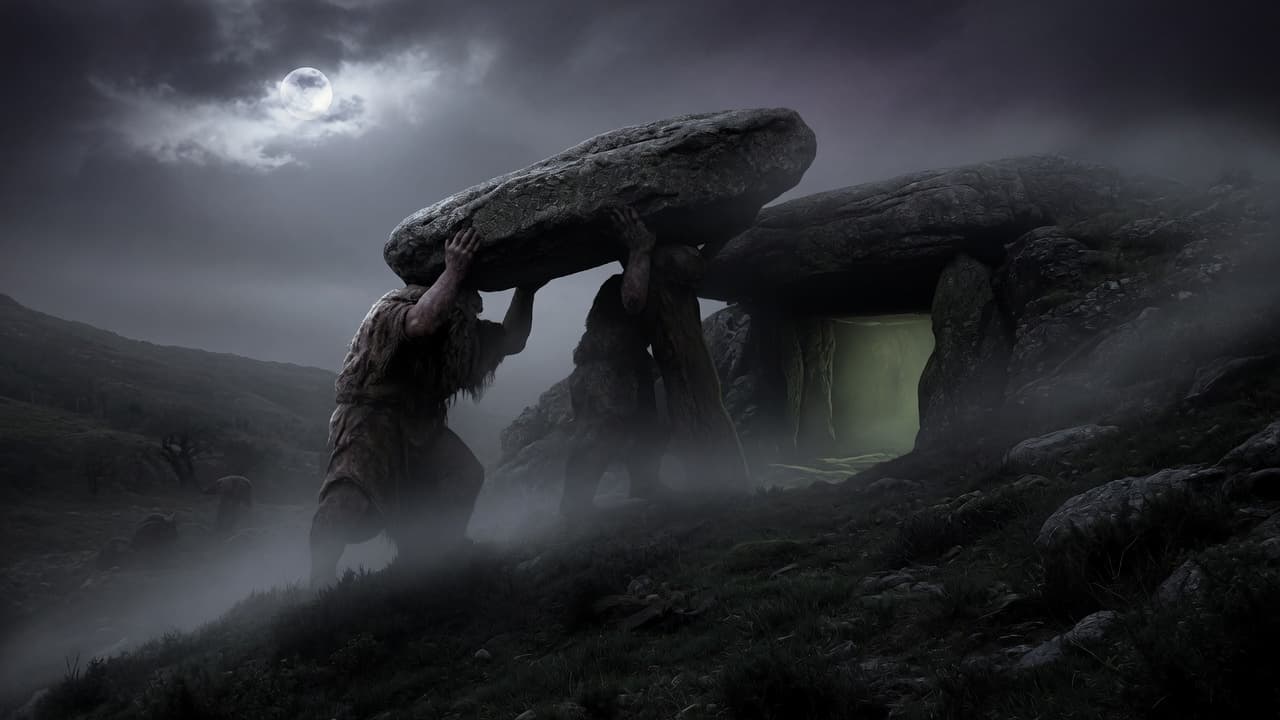
They raised the standing stones in a single night, and their name may mean the dead.
The story
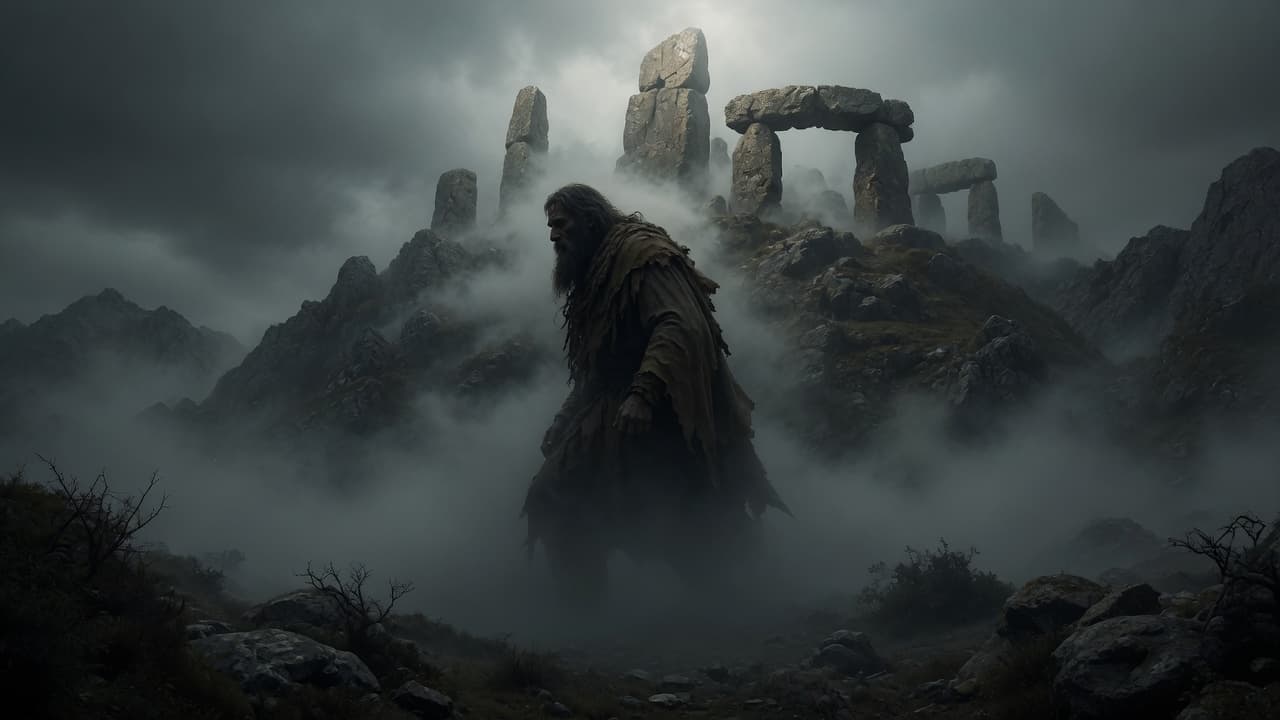
The mouros are found across Galicia, Asturias, León, Zamora and northern Portugal. They are described as unbaptised and pagan, and in older usage they were also called xentís, the same word the Basques use for their own megalith builders.
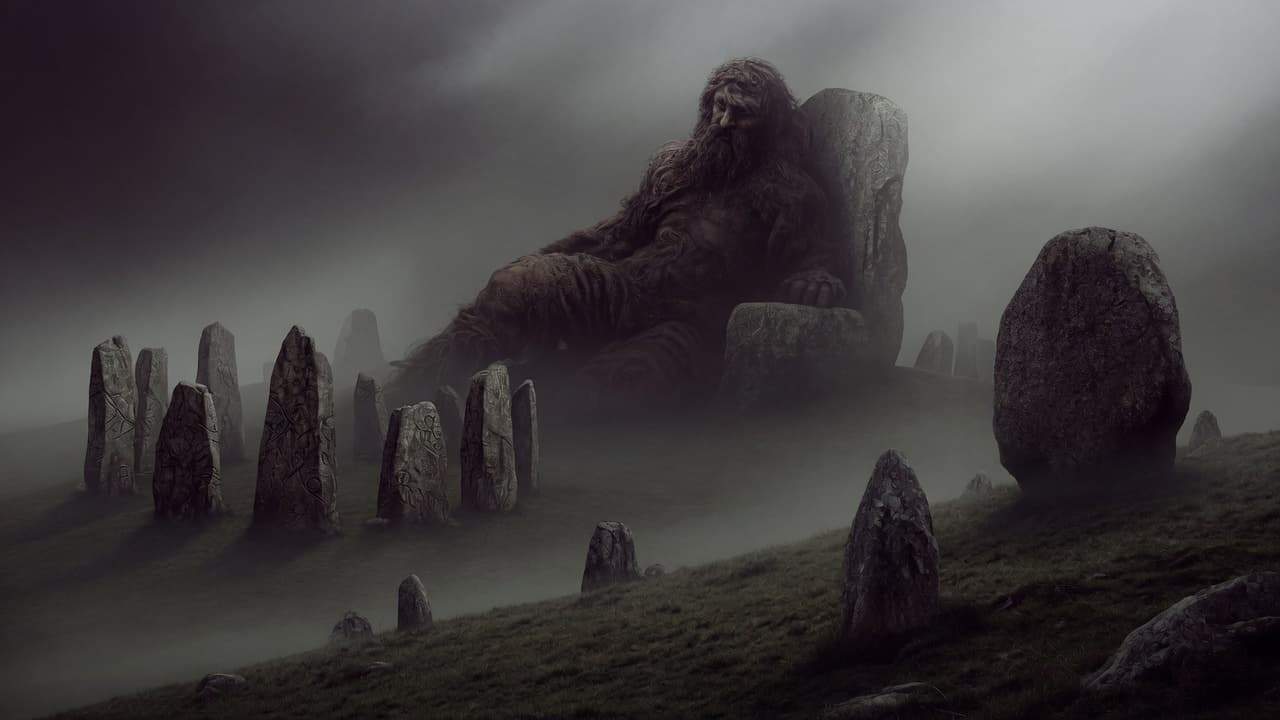
Every mámoa, every burial tumulus, every castro, every Roman mine, and by extension every ruin of unremembered origin is theirs. Some accounts have them raising the stones overnight. They live underground now and rarely come out, except to fetch food and at midsummer. Their money is enchanted and disappears after it is spent.
The mouras, the women, are pale from living beneath the earth or the water, blue-eyed, and guard treasure. They can take other shapes and most often choose the serpent. Some of them could fly, and carried the stones through the air themselves. Bargains made with them and then broken bring blindness, barrenness, or ruin on a family line.
The philologist Isidoro Millán derived the word not from *moro*, Moor, but from a Celtic form *mrvos*, related to the Indo-European *mr-tuos* that gives Latin *mortuus*. On that reading the people who built the old stones and live under the ground are named, quite literally, the dead. The confusion with the Moors came later, after the Muslim conquest, and runs the wrong way round.
Where it comes from
No medieval text stands behind the mouros. The tradition is oral, and reaches print only through nineteenth and twentieth century collectors.
In Portugal José Leite de Vasconcelos gathered the material from Tradições populares de Portugal (1882) onward and returned to it in Opúsculos, volume V, Etnologia (Lisbon: Imprensa Nacional, 1938). Zófimo Consiglieri Pedroso read the mouras as water spirits. Revista Lusitana, the journal Leite de Vasconcelos founded, printed Abílio Brandão's "Lendas de Mouras encantadas" in volume XIV (1911). The archaeologist Francisco Martins Sarmento treated the legends as a guide to unexcavated monuments.
Asturian versions were collected by Aurelio de Llano Roza de Ampudia in Del folklore asturiano: mitos, supersticiones, costumbres (1922). Galician versions run through the ethnographic writing of Vicente Risco and later collections such as Camiño Noia's Contos galegos de tradición oral. Alexandre Parafita's A Mitologia dos Mouros (Porto: Gailivro, 2006) is the modern Portuguese synthesis.
The Celtic etymology is a philological proposal by Isidoro Millán González-Pardo (1922 to 2002), not a folk claim.
Motifs
The giant as builder
Walls, causeways, dolmens and bridges attributed to giants: usually structures whose real makers had been forgotten.
Also carried by: Budj Bim Giants (Australian Aboriginal (Gunditjmara related landscape)), Croatian Giants: The Lesser Traditions (Croatian), Dragonja (Croatian), Gargantua (French), Jentilak (Basque), Paul Bunyan (American tall-tale), Quinametzin (Mesoamerican / Aztec), Tombe dei Giganti (Sardinian), Xelhua (Mesoamerican)
The people who came before
Giants as an earlier race displaced by the present one. Often a way of accounting for ruins, large bones, or an older population.
Also carried by: Bestla (Norse), British Giants: The Lesser Traditions (British and Welsh), Croatian Giants: The Lesser Traditions (Croatian), Fangfeng (Chinese), Fomorians (Irish), Gogmagog (Celtic / British), Ispolini (Bulgarian), Jentilak (Basque), Kahui-Tipua (Māori), Kalev and Kalevipoeg (Estonian, Finnish, Karelian), Katallani (Albanian), Koljo (Finnish), Milžinai (Lithuanian), Nawao (Māori), Nemri (Croatian), Nephilim (Biblical / Near Eastern), Og of Bashan (Biblical / Near Eastern), Quinametzin (Mesoamerican / Aztec), Si-Te-Cah (Paiute), The Giants of Santa Elena (Manta, recorded by Spanish chroniclers), The Gigantes (Greek), The Patagonian Giants (European accounts of the Tehuelche and Selk'nam), Tombe dei Giganti (Sardinian), Uriași (Romanian), Ymir (Norse)
Ended by Christianity
The giants do not lose a battle: they leave, die or turn to stone at the moment the new religion arrives. The tradition dates its own displacement.
Also carried by: Gargantua (French)
What is disputed
Whether the mouros are properly giants at all. Some accounts describe them as enormous, others as living much as ordinary Galician peasants did.
The mouros encantados sometimes appear as giants or warriors, and a separate tradition of mourinhos describes very small underground people instead. They are best understood as the previous inhabitants rather than as a size.
Sources
- Isidoro Millán on the etymology
- Galician and Asturian folk collections
- the mouros are also documented under Portuguese tradition as the moura encantada