Read across the codex
Motifs
An encyclopedia gives each giant its own page and stops there. These are the shapes that recur: a single eye, a world built from a body, the people who came before, in traditions with no route between them. Recurrence is not evidence of contact. It is the interesting part regardless.
Crossing cultures
The people who came before
26 cultures · 30 entriesGiants as an earlier race displaced by the present one. Often a way of accounting for ruins, large bones, or an older population.
Ymir (Norse) · Nephilim (Biblical / Near Eastern) · Og of Bashan (Biblical / Near Eastern) · Bestla (Norse) · Gogmagog (Celtic / British) · Jentilak (Basque) · Quinametzin (Mesoamerican / Aztec) · Fangfeng (Chinese) · Si-Te-Cah (Paiute) · Kahui-Tipua (Māori) · Nawao (Māori) · Ispolini (Bulgarian) · Mouros (Galician, Asturian, Portuguese) · The Gigantes (Greek) · The Patagonian Giants (European accounts of the Tehuelche and Selk'nam) · Katallani (Albanian) · Milžinai (Lithuanian) · Kalev and Kalevipoeg (Estonian, Finnish, Karelian) · Fomorians (Irish) · Tombe dei Giganti (Sardinian) · Nemri (Croatian) · Uriași (Romanian) · Croatian Giants: The Lesser Traditions (Croatian) · British Giants: The Lesser Traditions (British and Welsh) · Koljo (Finnish) · The Giants of Santa Elena (Manta, recorded by Spanish chroniclers) · ʿĀd, Iram and Thamud (Arabian and Islamic) · The Giants of the Canaries (European accounts of the Guanches) · ʿUj ibn ʿAnāq (Islamic tradition, Arabic and Persian) · Surid ibn Salhouk (Coptic and Islamic Egypt, medieval)
The wild one of the uplands
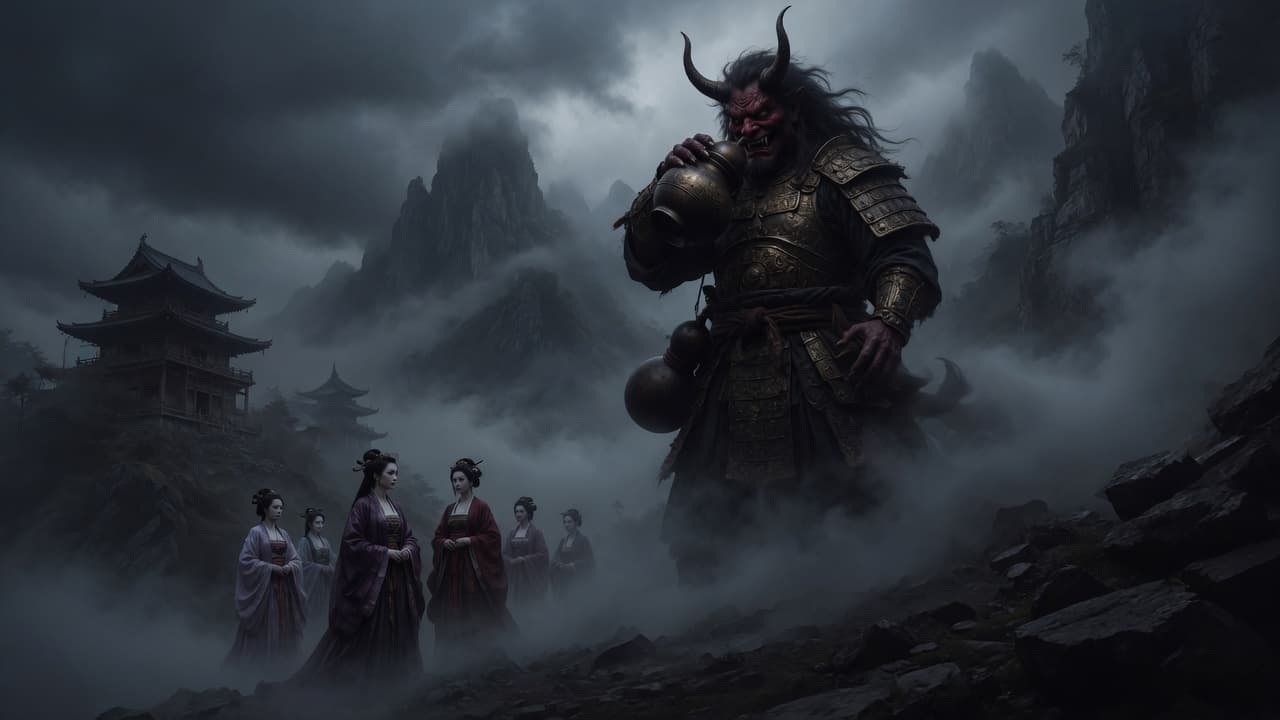
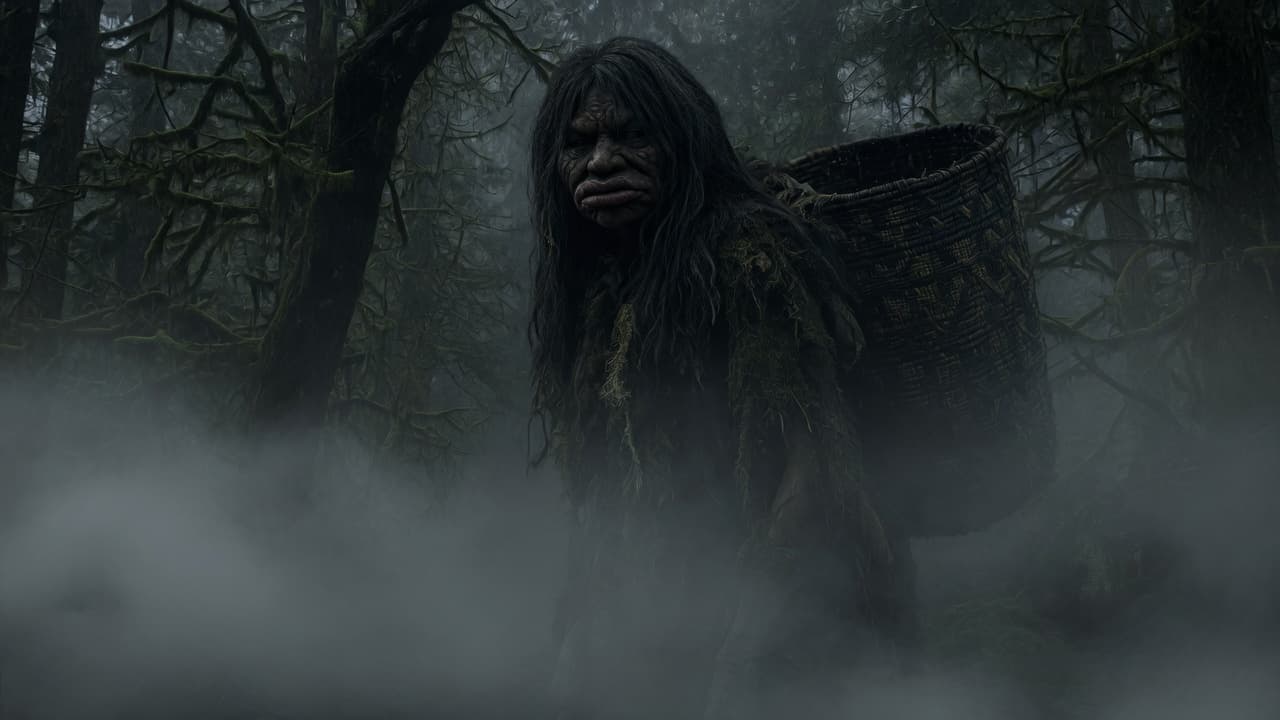
16 cultures · 19 entriesA hairy, solitary giant of forest or mountain, hostile to herders and travellers: the shape a frontier takes in story.
Orion (Greek) · Skrymir (Norse) · Olentzero (Basque) · Svyatogor (Slavic) · Oni (Japanese) · Shuten Dōji (Japanese) · Dzunukwa (Kwakwaka'wakw / Northwest Coast) · Tsul 'Kalu (Cherokee) · Kee-Wakw (Abenaki / Wabanaki) · Murkupang (Australian Aboriginal) · Thardid Jimbo (Australian Aboriginal) · Chinny-kinik (Australian Aboriginal) · Maero (Māori / Polynesian) · Nawao (Māori) · Giant of the Forest (Hausa / West African) · Stallo (Sámi) · Ojáncanu (Cantabrian) · Rübezahl (German / Silesian / Czech) · Giant of Kunar (Modern legend)
Attached to a real place
16 cultures · 19 entriesThe tradition is anchored to a site you can still walk to: a dolmen, a cave, a hill fort, a named rock. The story travels with the ground rather than with the teller.
Gargantua (French) · Dragonja (Croatian) · Daidarabotchi (Japanese) · Baqbaq-Devi (Georgian) · Milžinai (Lithuanian) · Tröll (Icelandic) · Kalev and Kalevipoeg (Estonian, Finnish, Karelian) · Suur Tõll (Estonian) · Bendigeidfran (Welsh) · Tombe dei Giganti (Sardinian) · Nemri (Croatian) · Klek (Croatian) · Croatian Giants: The Lesser Traditions (Croatian) · British Giants: The Lesser Traditions (British and Welsh) · Koljo (Finnish) · The Giants of Santa Elena (Manta, recorded by Spanish chroniclers) · Mapinguari (Amazonian, Brazilian) · Humbaba (Sumerian, Akkadian, later Hurrian and Hittite) · The Cailleach (Gaelic: Irish, Scottish, Manx)
Eater of people
14 cultures · 17 entriesThe giant as appetite: it takes travellers, children or the sick. Frequently a warning attached to a specific dangerous place.
Polyphemus (Greek) · Cormoran (Celtic / Cornish) · Oni (Japanese) · Shuten Dōji (Japanese) · Dzunukwa (Kwakwaka'wakw / Northwest Coast) · Si-Te-Cah (Paiute) · Kee-Wakw (Abenaki / Wabanaki) · Papinijuwari (Australian Aboriginal (Tiwi)) · Murkupang (Australian Aboriginal) · Thardid Jimbo (Australian Aboriginal) · Chinny-kinik (Australian Aboriginal) · Maero (Māori / Polynesian) · Amazimu (Zulu / Nguni) · Giant of the Forest (Hausa / West African) · Stallo (Sámi) · Ojáncanu (Cantabrian) · Tepegöz (Oghuz Turkic)
Defeated by cunning
14 cultures · 18 entriesThe giant loses to intelligence rather than strength: a trick, a false name, a riddle. Size is set up precisely so that it can fail.
Goliath of Gath (Biblical / Philistine) · Polyphemus (Greek) · Antaeus (Greek) · Talos (Greek) · Thrym (Norse) · Skrymir (Norse) · Cormoran (Celtic / Cornish) · Gogmagog (Celtic / British) · Shuten Dōji (Japanese) · Amazimu (Zulu / Nguni) · Stallo (Sámi) · Rübezahl (German / Silesian / Czech) · Baqbaq-Devi (Georgian) · The Gigantes (Greek) · Waligóra and Wyrwidąb (Polish) · British Giants: The Lesser Traditions (British and Welsh) · Humbaba (Sumerian, Akkadian, later Hurrian and Hittite) · Tepegöz (Oghuz Turkic)
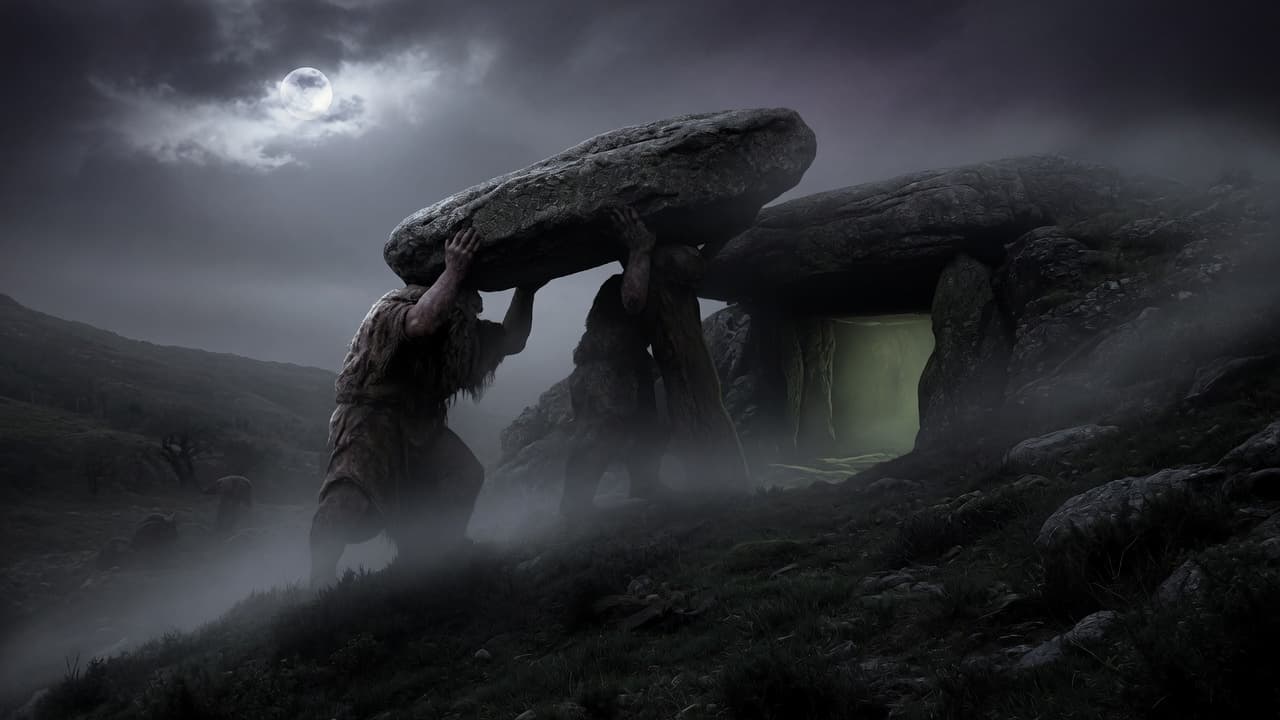
The giant as builder
11 cultures · 12 entriesWalls, causeways, dolmens and bridges attributed to giants: usually structures whose real makers had been forgotten.
Jentilak (Basque) · Quinametzin (Mesoamerican / Aztec) · Xelhua (Mesoamerican) · Budj Bim Giants (Australian Aboriginal (Gunditjmara related landscape)) · Paul Bunyan (American tall-tale) · Gargantua (French) · Mouros (Galician, Asturian, Portuguese) · Dragonja (Croatian) · Tombe dei Giganti (Sardinian) · Croatian Giants: The Lesser Traditions (Croatian) · The Cailleach (Gaelic: Irish, Scottish, Manx) · Surid ibn Salhouk (Coptic and Islamic Egypt, medieval)
The single eye
10 cultures · 10 entriesA giant with one eye, and the blinding or losing of it. The motif recurs on separate continents with no plausible line of transmission between them.
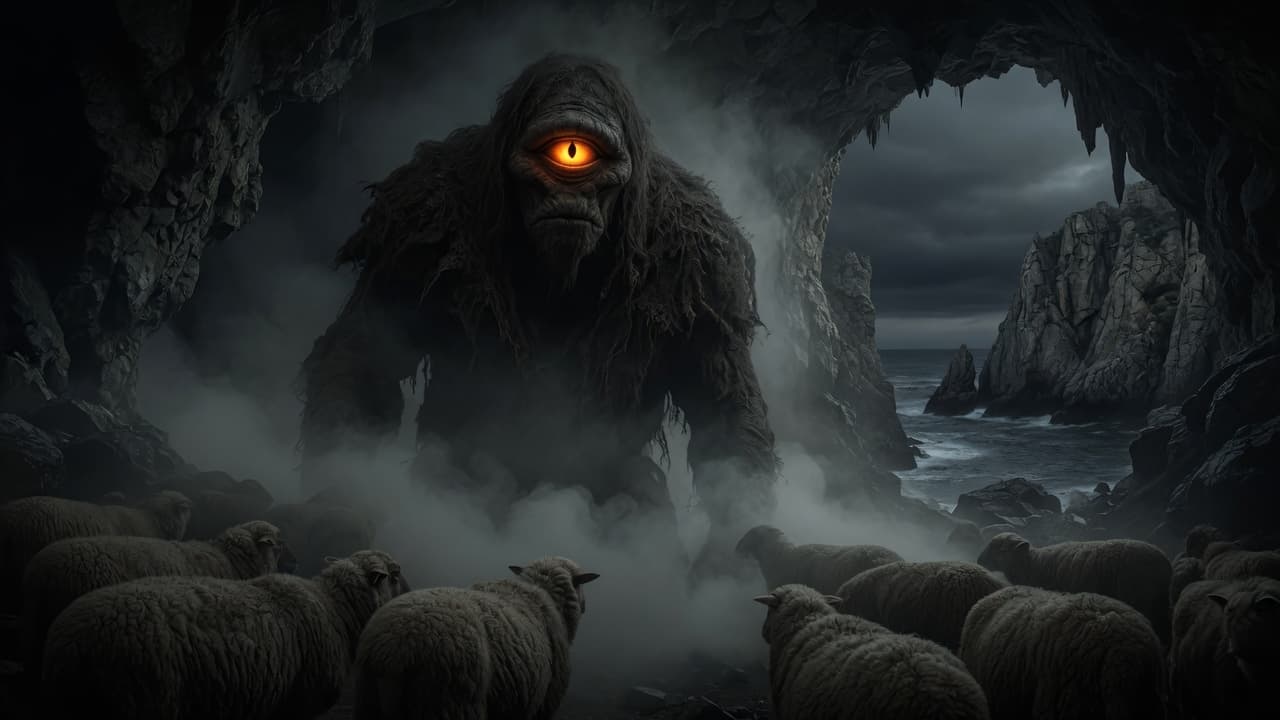 Polyphemus
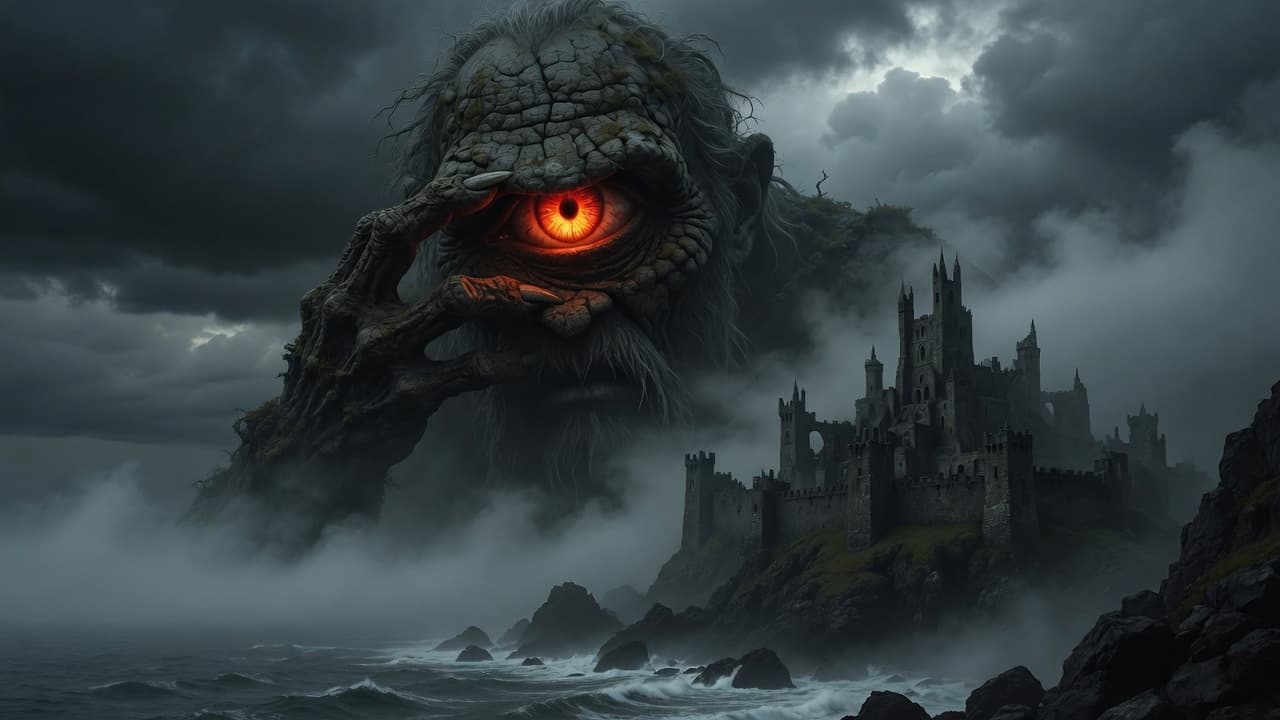 Balor
Balor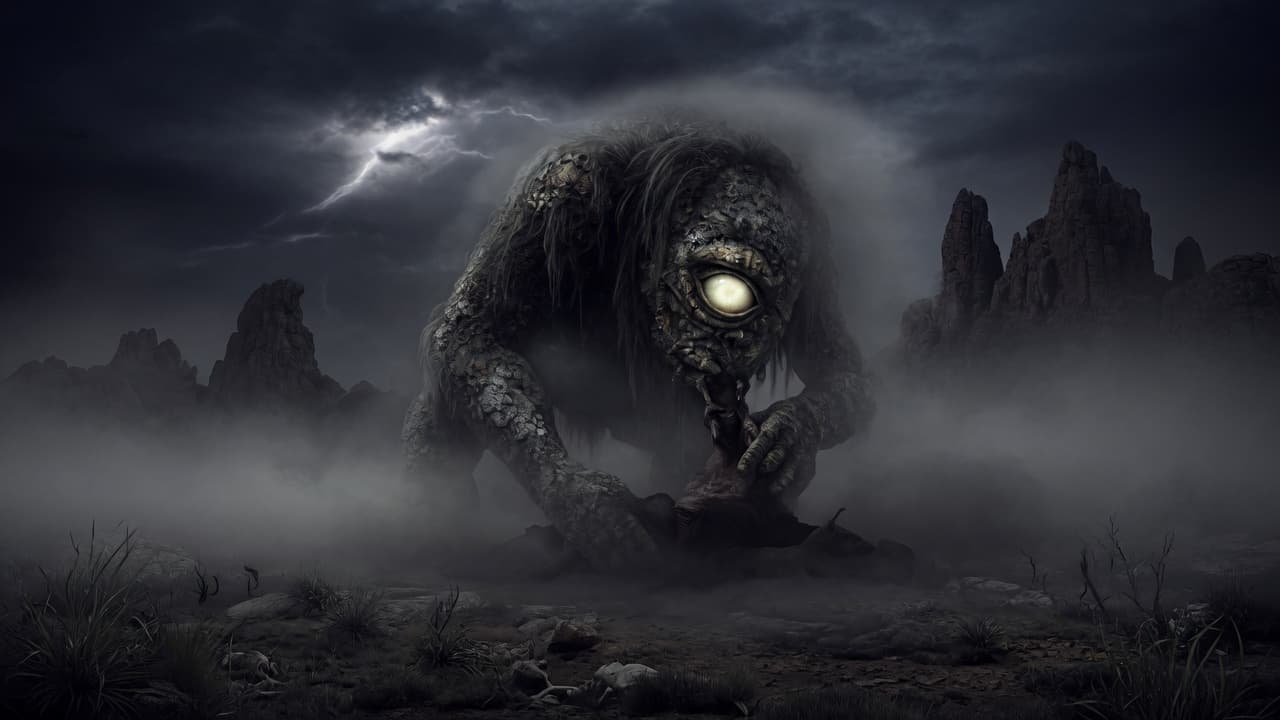 Papinijuwari
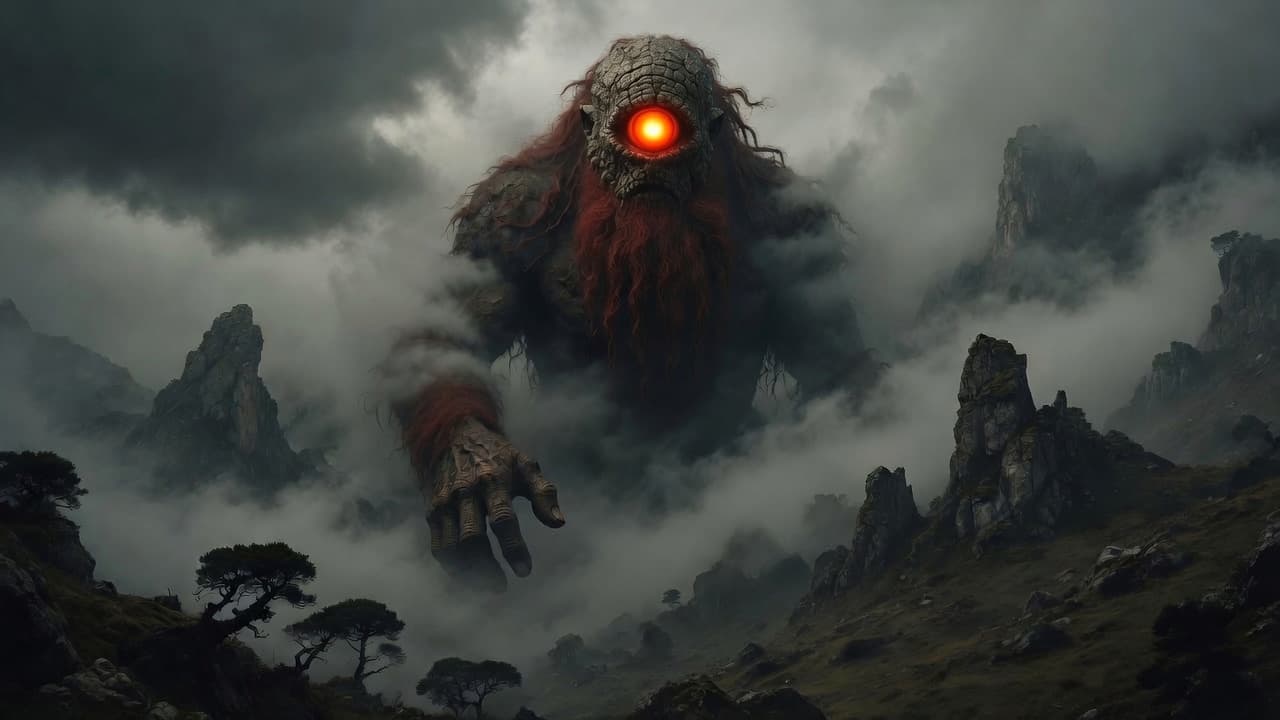 Ojáncanu
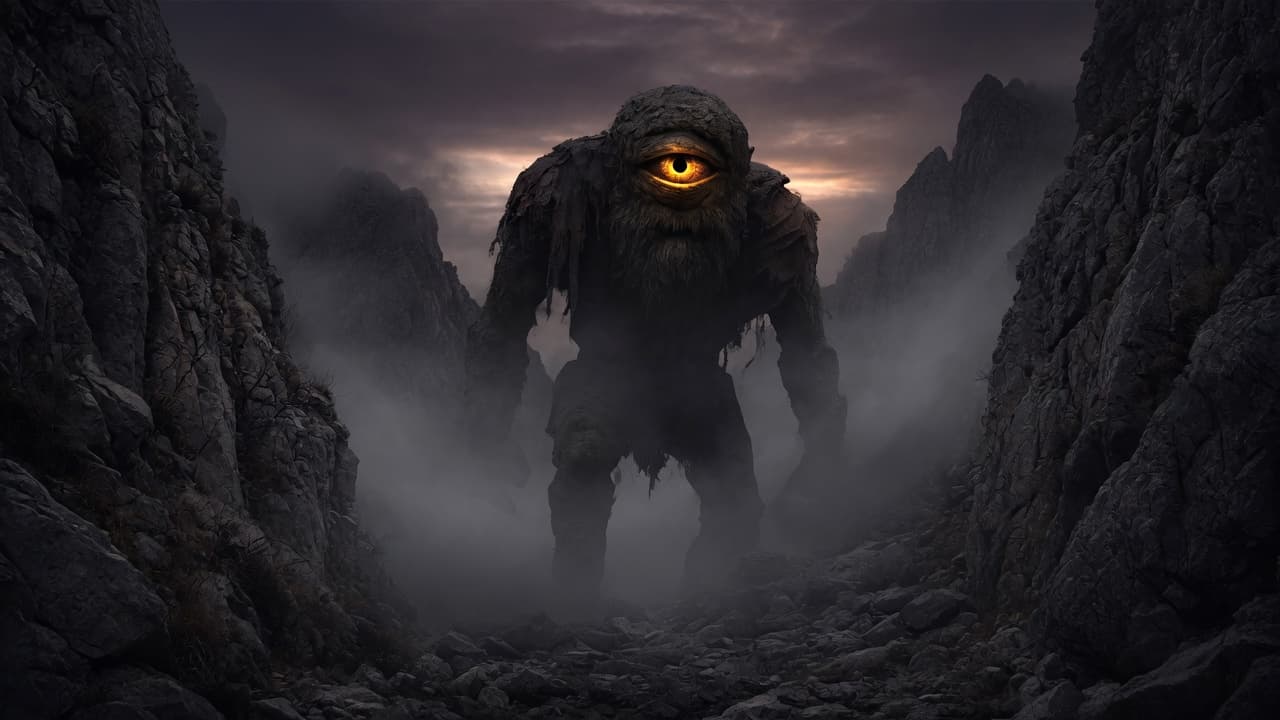 Katallani
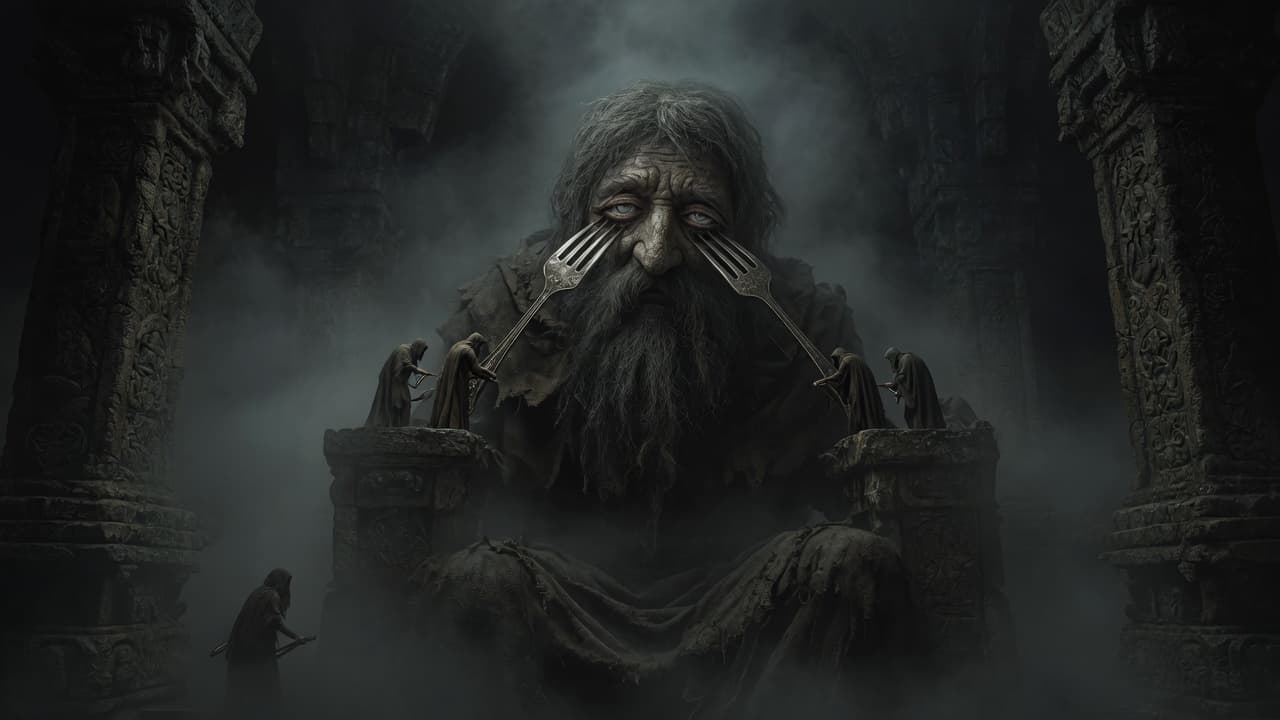 Ysbaddaden Bencawr
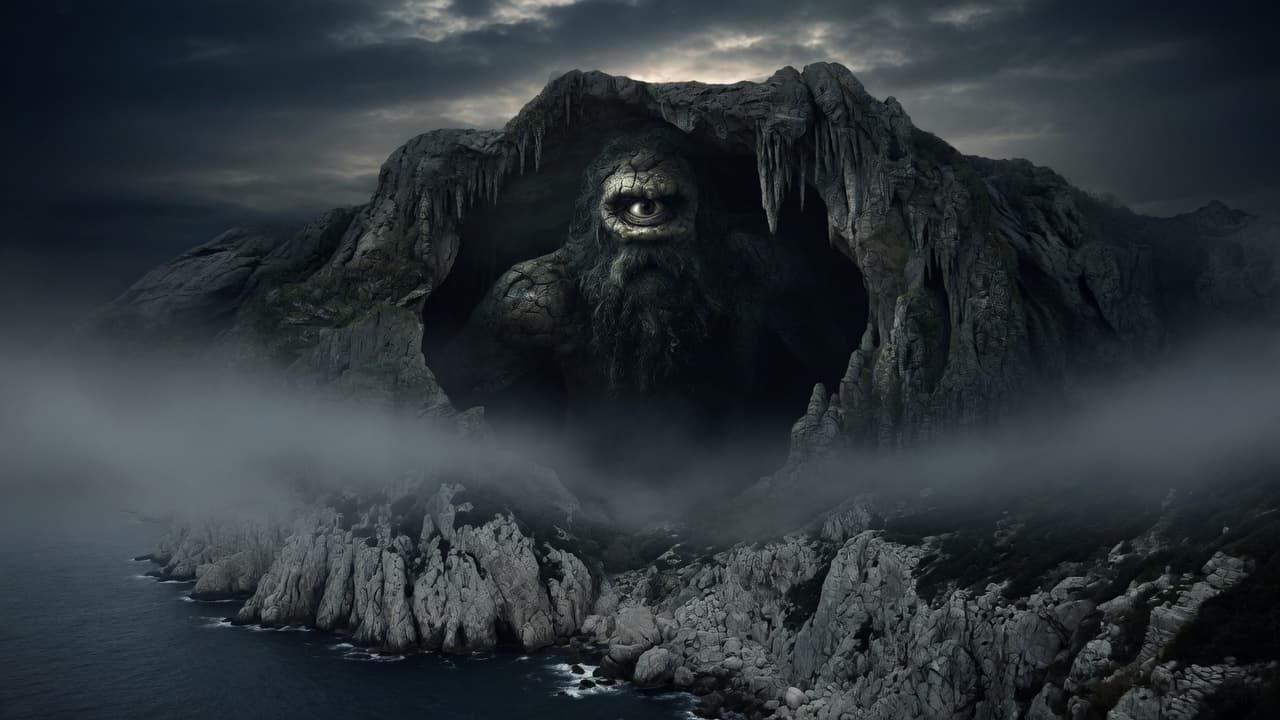 Croatian Giants: The Lesser Traditions
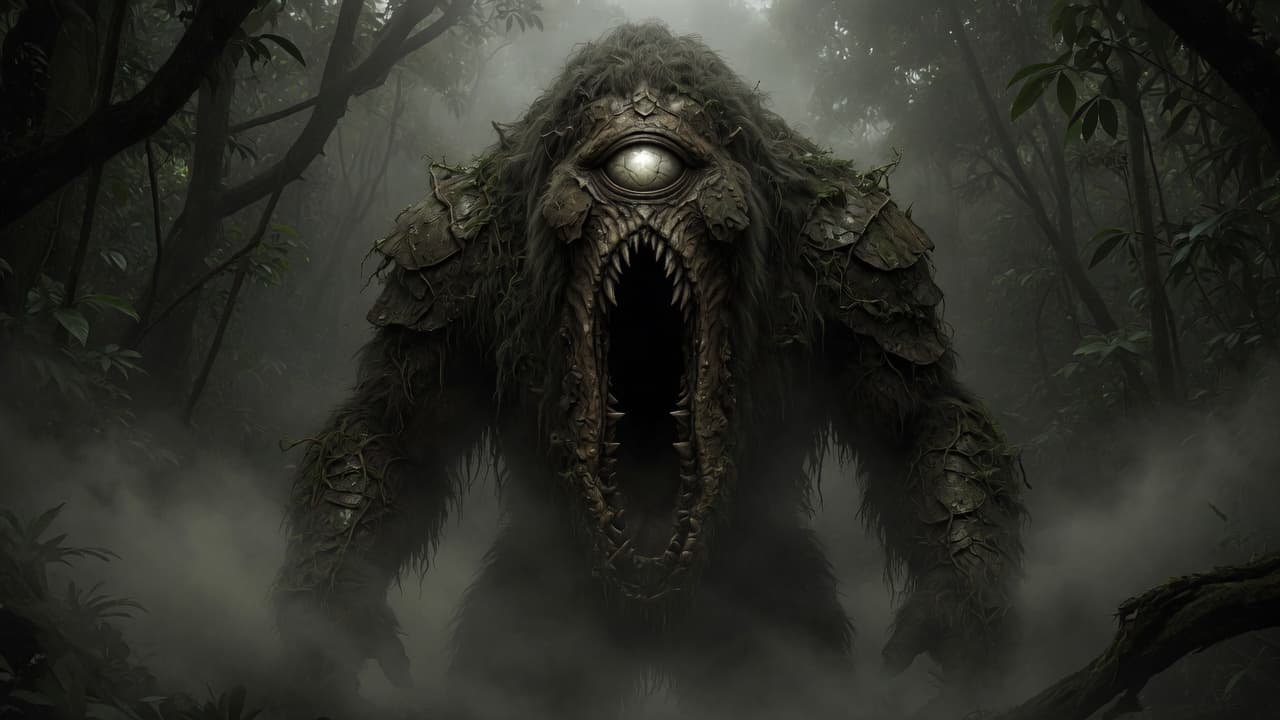 Mapinguari
Polyphemus (Greek) · Balor (Celtic / Irish) · Papinijuwari (Australian Aboriginal (Tiwi)) · Ojáncanu (Cantabrian) · Katallani (Albanian) · Ysbaddaden Bencawr (Welsh) · Croatian Giants: The Lesser Traditions (Croatian) · Mapinguari (Amazonian, Brazilian) · Tepegöz (Oghuz Turkic) · The Cailleach (Gaelic: Irish, Scottish, Manx)
Bones offered as evidence
9 cultures · 10 entriesLarge remains, real fossils, misread burials, or claims that no one can now examine, put forward to prove the giants were literal.
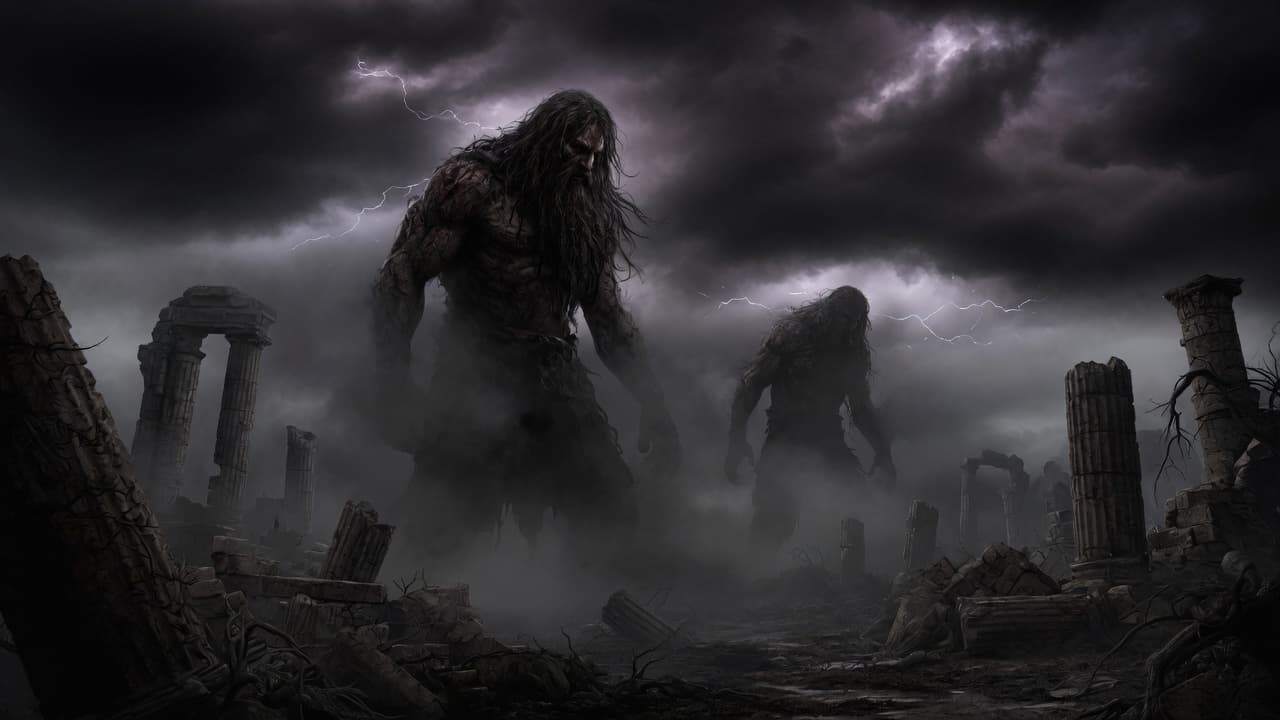 Nephilim
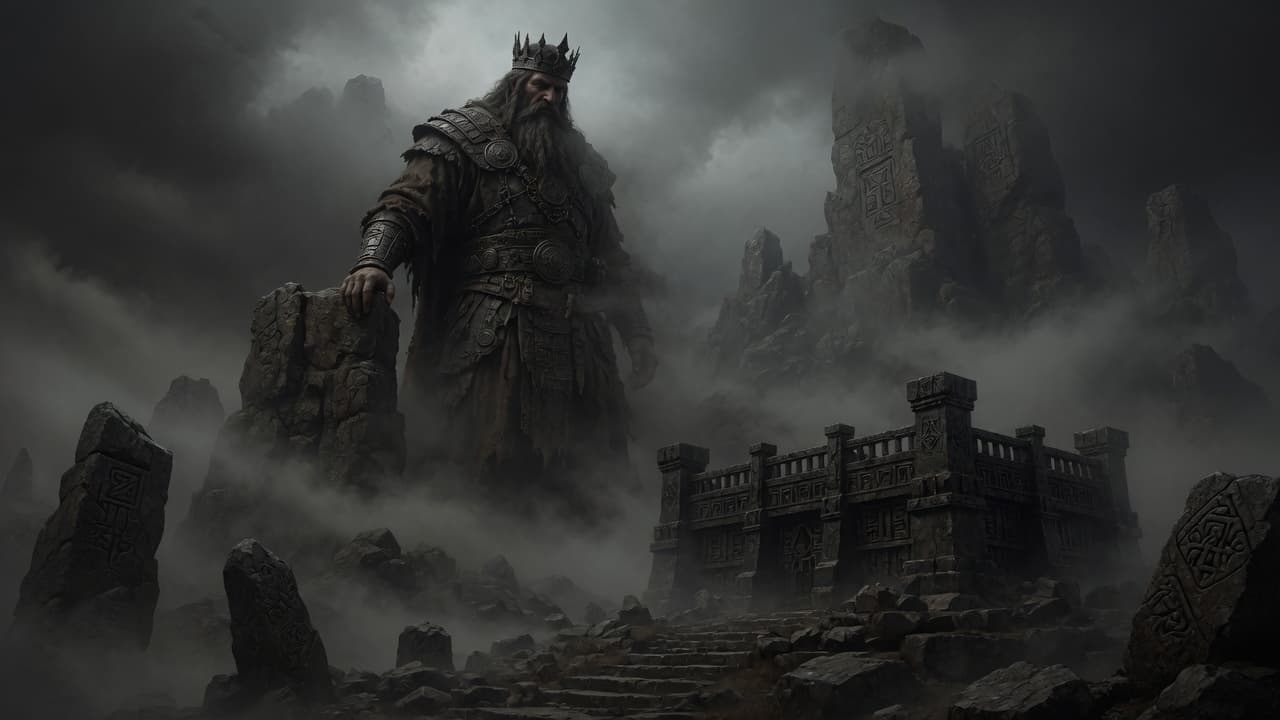 Og of Bashan
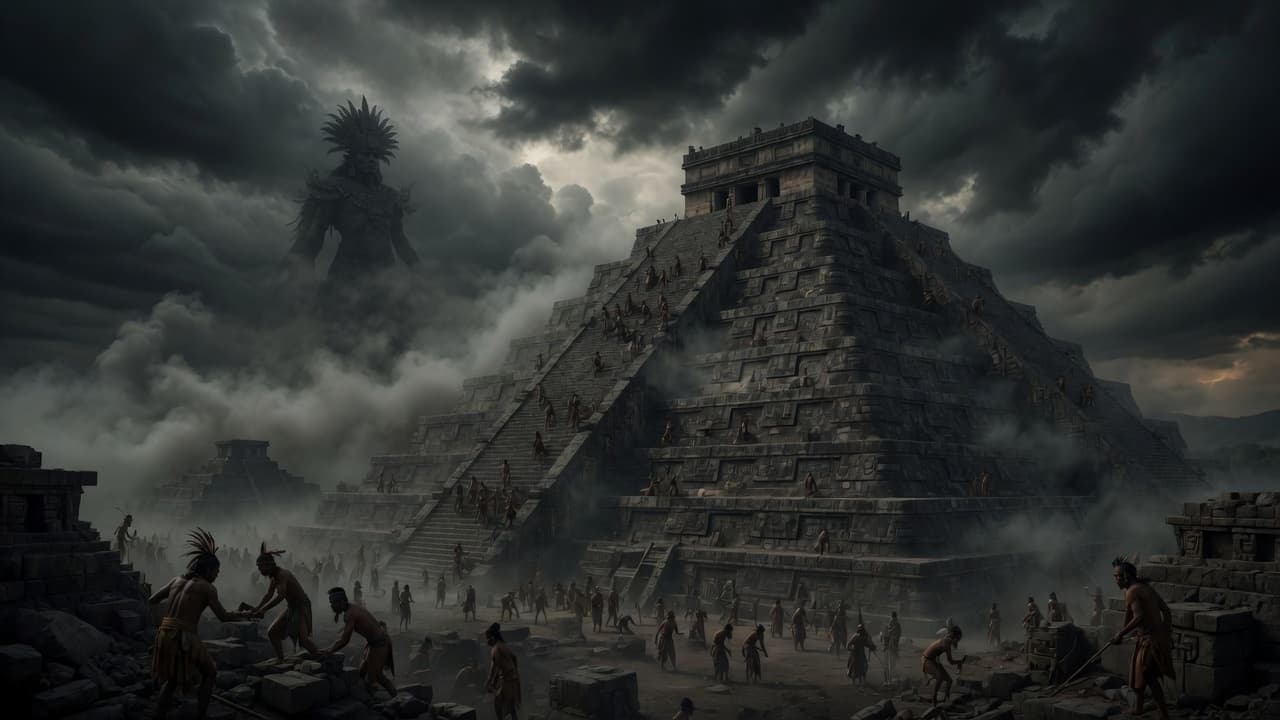 Quinametzin
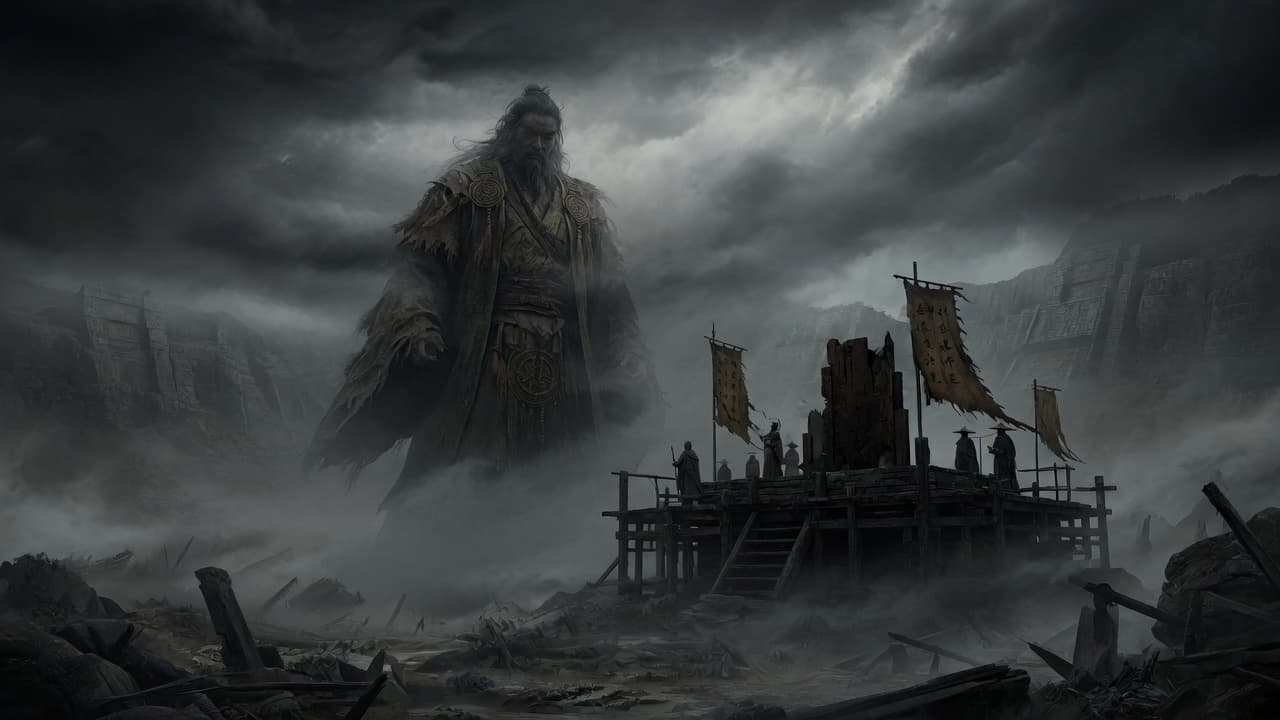 Fangfeng
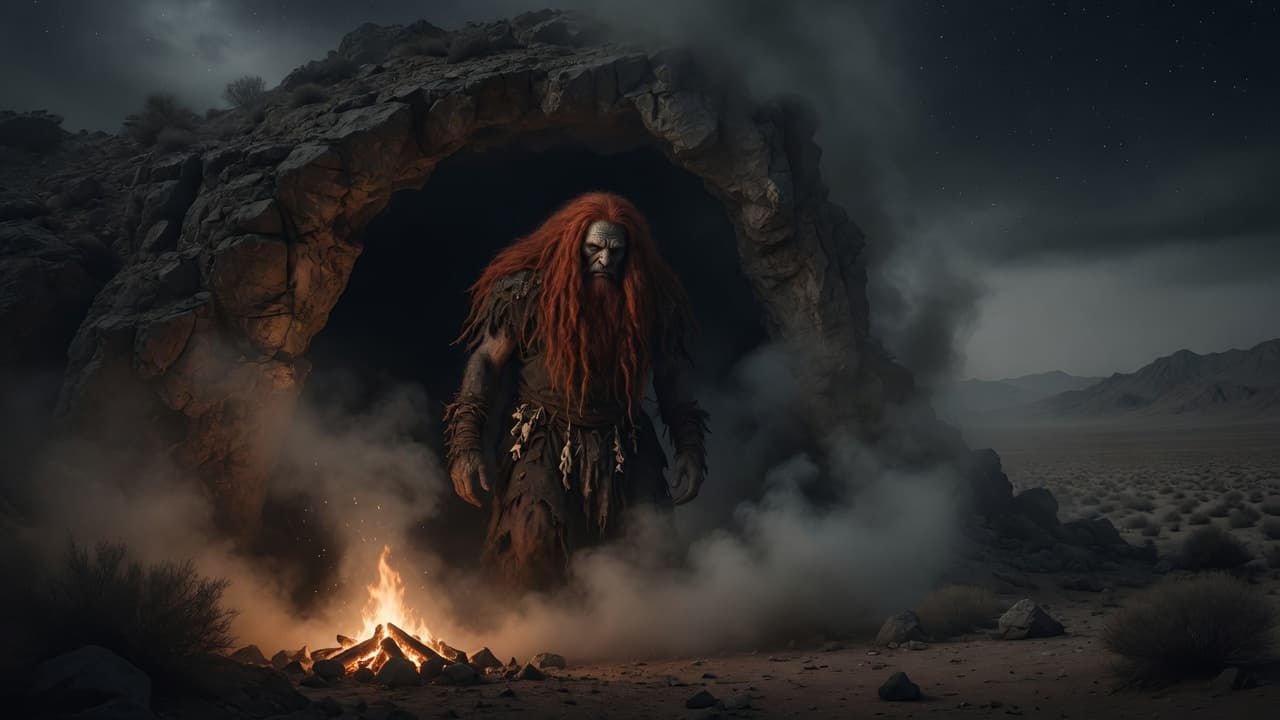 Si-Te-Cah
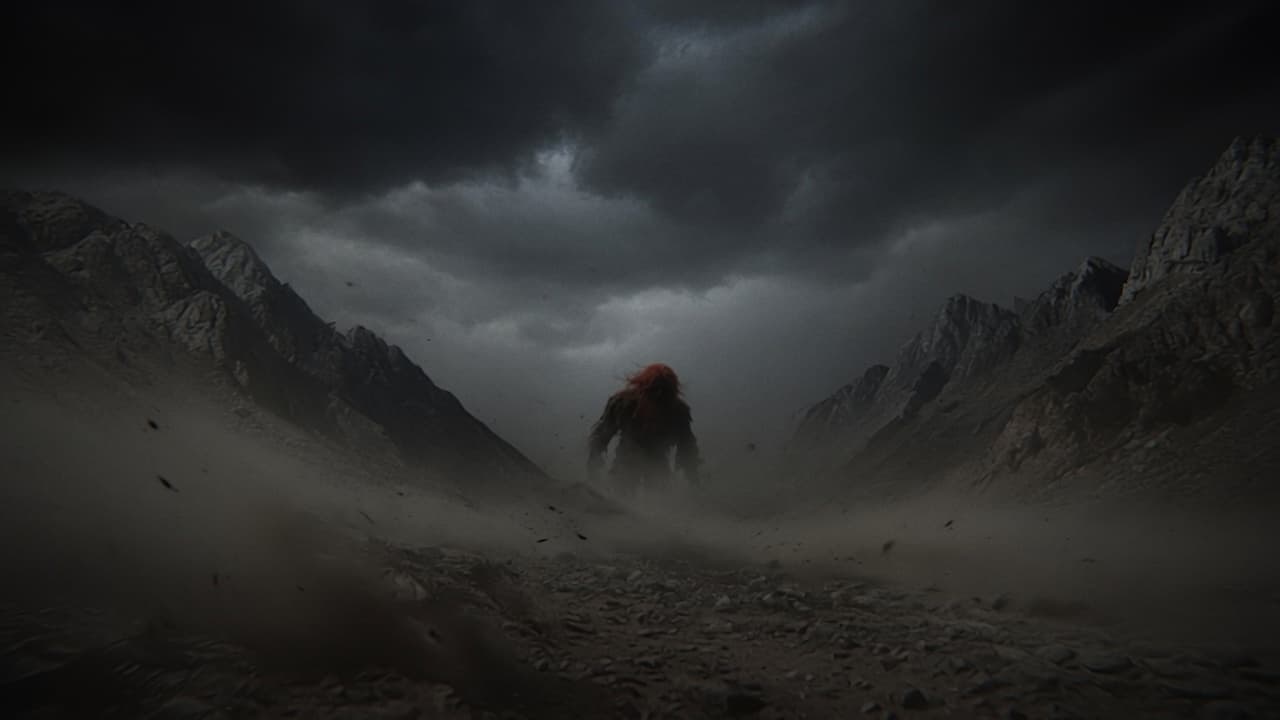 Giant of Kandahar
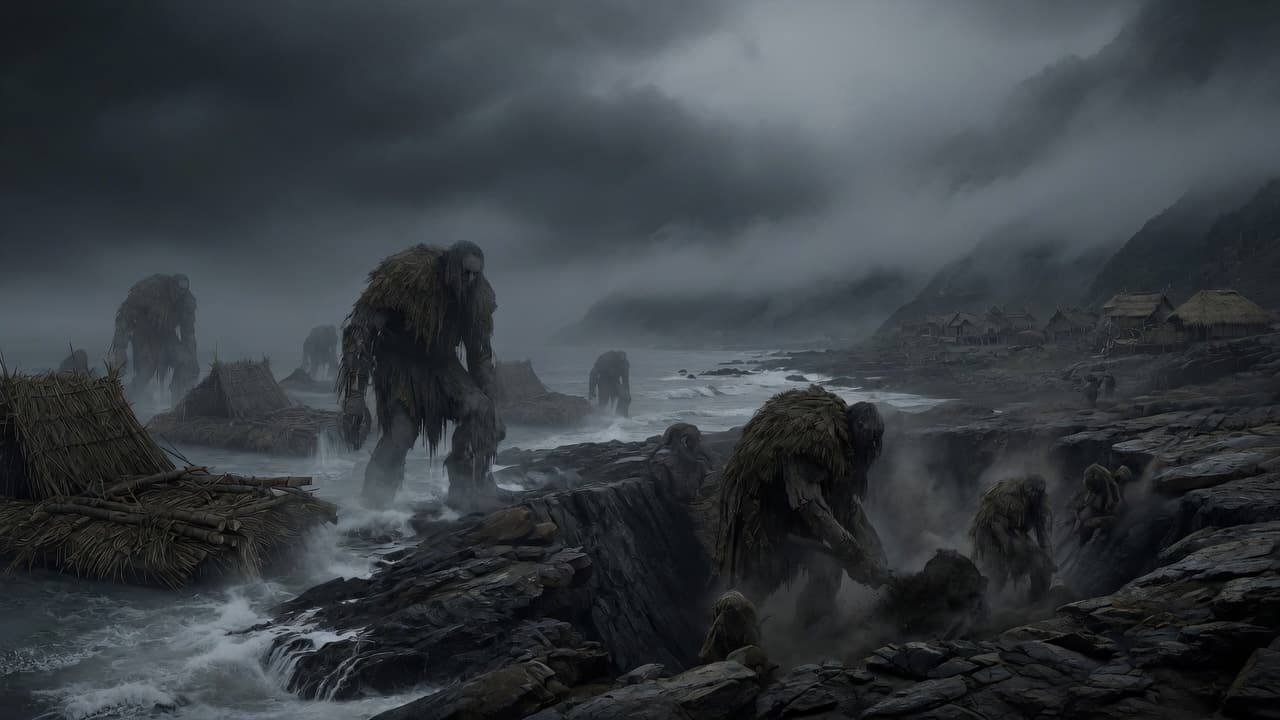 The Giants of Santa Elena
- Mapinguari
Nephilim (Biblical / Near Eastern) · Og of Bashan (Biblical / Near Eastern) · Quinametzin (Mesoamerican / Aztec) · Fangfeng (Chinese) · Si-Te-Cah (Paiute) · Giant of Kandahar (Modern legend) · The Giants of Santa Elena (Manta, recorded by Spanish chroniclers) · Mapinguari (Amazonian, Brazilian) · ʿĀd, Iram and Thamud (Arabian and Islamic) · The Giants of the Canaries (European accounts of the Guanches)
War against the gods
7 cultures · 14 entriesGiants rise against the ruling powers and lose. The defeat is usually the point: it explains why the present order is the order.
Nephilim (Biblical / Near Eastern) · Goliath of Gath (Biblical / Philistine) · Og of Bashan (Biblical / Near Eastern) · Atlas (Greek) · Enceladus (Greek) · Alcyoneus (Greek) · Porphyrion (Greek) · Polybotes (Greek) · Tityus (Greek) · Thrym (Norse) · Hrungnir (Norse) · Balor (Celtic / Irish) · Hiranyakashipu (Hindu) · Xelhua (Mesoamerican)
The giant as guardian
7 cultures · 9 entriesSet to watch a place, an island or a people. Menace pointed outward instead of inward.
Briareus (Greek) · Geryon (Greek) · Talos (Greek) · Dzunukwa (Kwakwaka'wakw / Northwest Coast) · Tsul 'Kalu (Cherokee) · Gaoh (Iroquois / Haudenosaunee) · Rübezahl (German / Silesian / Czech) · Surtr (Norse) · Humbaba (Sumerian, Akkadian, later Hurrian and Hittite)
Turned to stone
5 cultures · 6 entriesA giant becomes a rock, hill or island. The landscape is offered as the surviving evidence, which is what makes the story durable.
Cormoran (Celtic / Cornish) · Budj Bim Giants (Australian Aboriginal (Gunditjmara related landscape)) · Tröll (Icelandic) · Klek (Croatian) · Croatian Giants: The Lesser Traditions (Croatian) · The Cailleach (Gaelic: Irish, Scottish, Manx)
Shaped the land while living
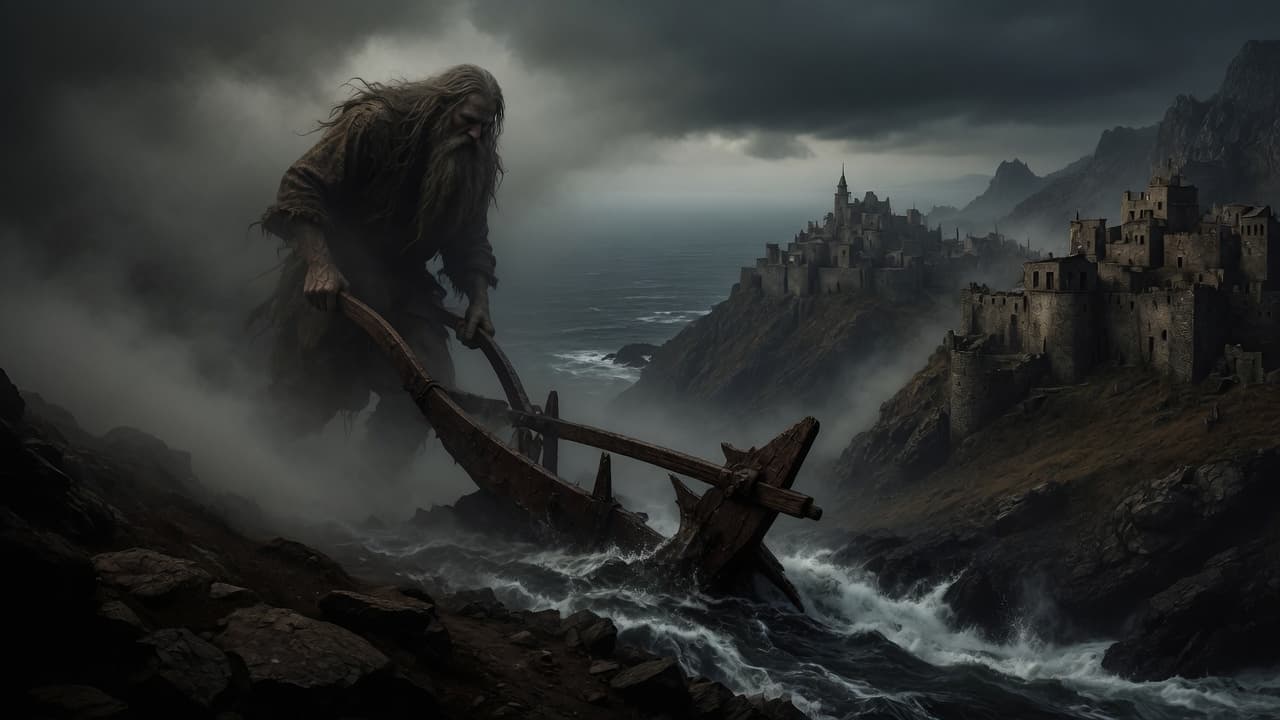
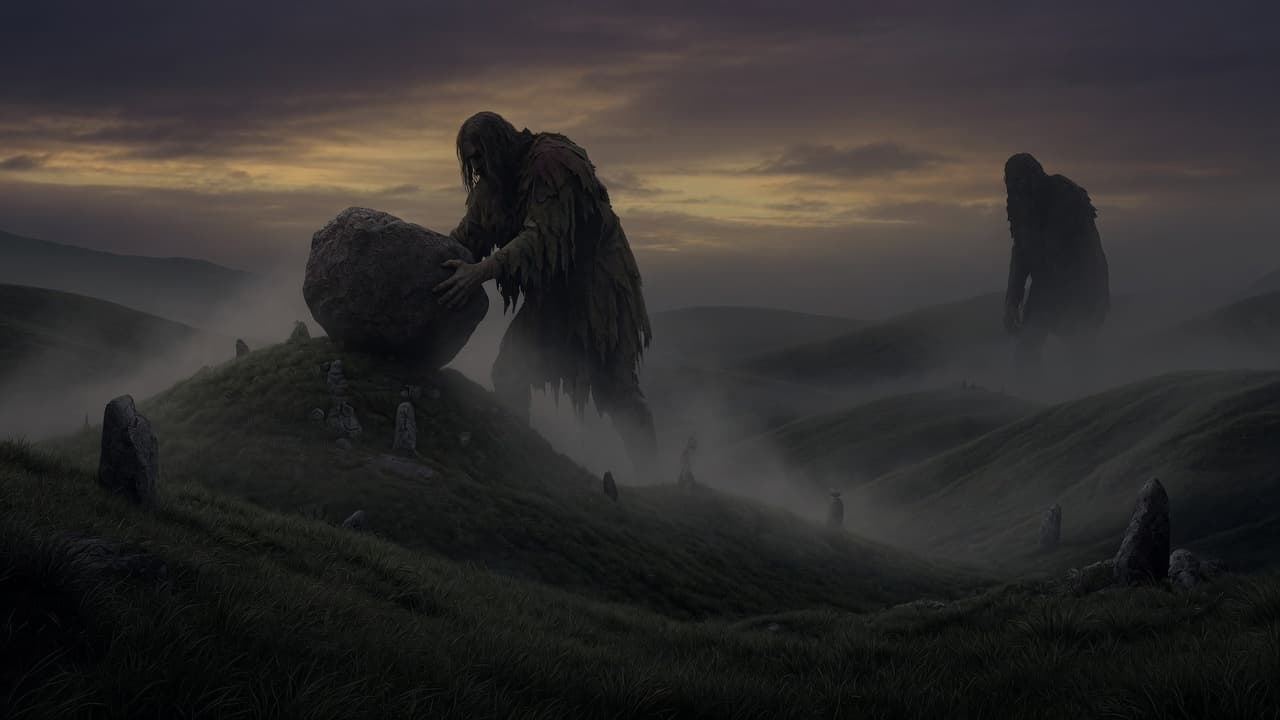
5 cultures · 5 entriesThe giant made the country by working it: dropping stones, digging channels, dragging a heel. Distinct from the giant whose corpse becomes the world, and distinct again from the giant who is the hill.
Dragonja (Croatian) · Daidarabotchi (Japanese) · Kalev and Kalevipoeg (Estonian, Finnish, Karelian) · Pangu (Chinese) · The Cailleach (Gaelic: Irish, Scottish, Manx)
The land is the body
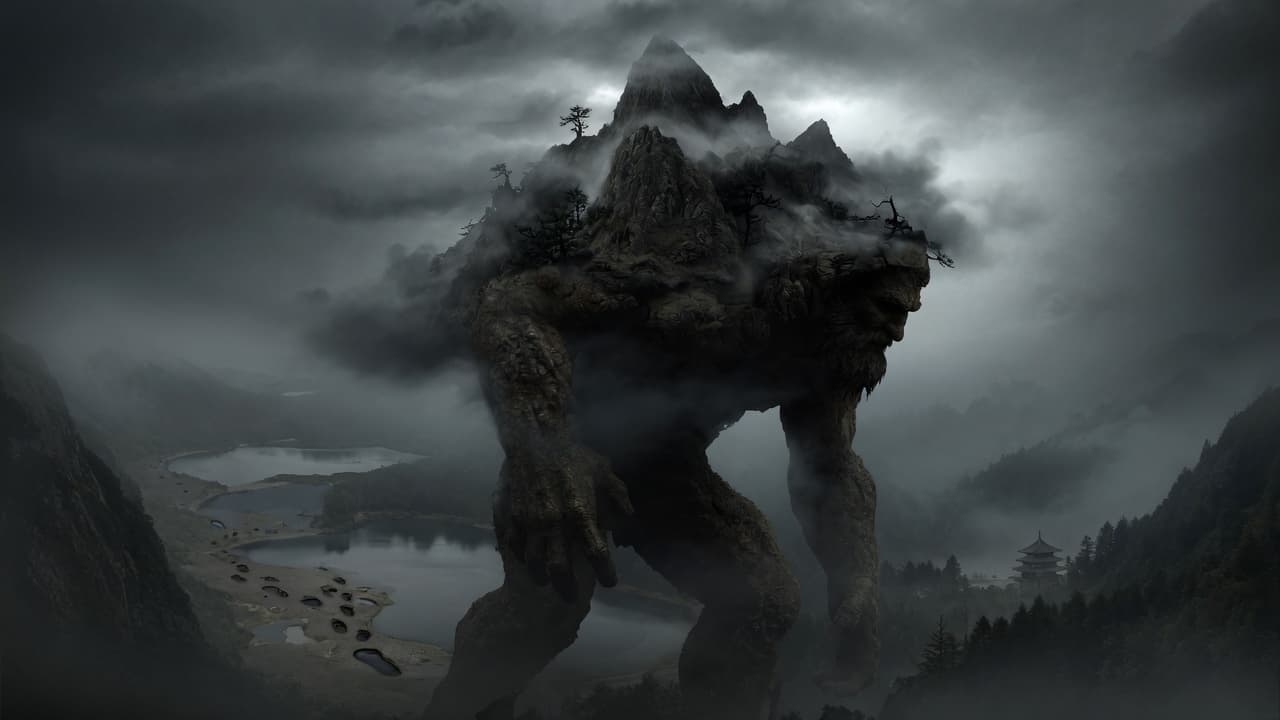
4 cultures · 4 entriesA named hill, lake or island is understood as a being, not merely as its memorial. The country is read as a person.
Kua Fu (Chinese) · Budj Bim Giants (Australian Aboriginal (Gunditjmara related landscape)) · Kahui-Tipua (Māori) · Paul Bunyan (American tall-tale)
The giant as hero
4 cultures · 4 entriesThe giant is on the side of the people: a protector, a champion, a founder. Where this occurs, the monstrous reading is usually the later layer, not the earlier one.
Waligóra and Wyrwidąb (Polish) · Milžinai (Lithuanian) · Suur Tõll (Estonian) · Bendigeidfran (Welsh)
Grown in the telling
4 cultures · 4 entriesA figure or people who start at human scale in the early record and become giants later, in retelling, painting or popular reading. The growth is the evidence.
ʿĀd, Iram and Thamud (Arabian and Islamic) · The Giants of the Canaries (European accounts of the Guanches) · ʿUj ibn ʿAnāq (Islamic tradition, Arabic and Persian) · Surid ibn Salhouk (Coptic and Islamic Egypt, medieval)
Survivor of the flood
3 cultures · 3 entriesA giant or giant-descended line survives a deluge that destroys the rest of its kind, and so carries the old world into the new one.
Ymir (Norse) · Nephilim (Biblical / Near Eastern) · Xelhua (Mesoamerican)
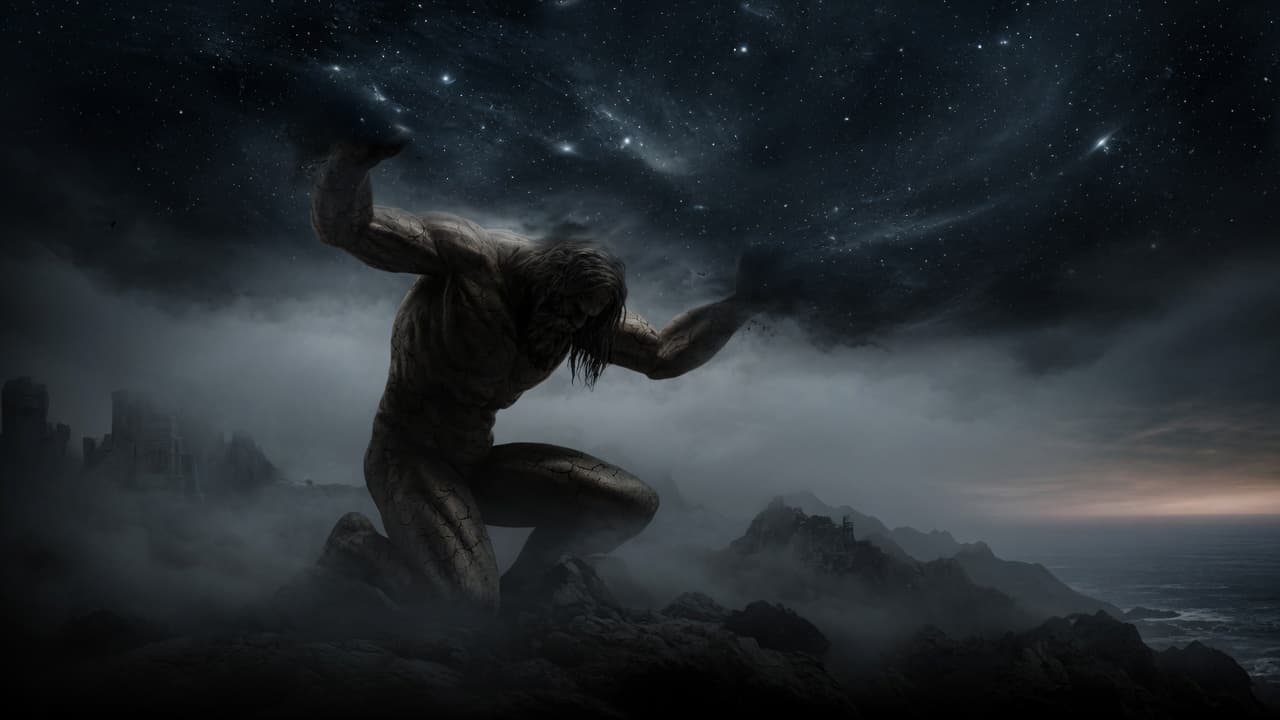
Holding up the sky
3 cultures · 3 entriesA giant who carries or props the heavens, explaining why the sky stays where it is.
Atlas (Greek) · Gaoh (Iroquois / Haudenosaunee) · Pangu (Chinese)
Comes with the season
3 cultures · 3 entriesA giant tied to a date in the calendar (midwinter, harvest, a feast) who arrives, is fed or feared, and leaves.
A world built from a body
2 cultures · 3 entriesThe earth, sky and sea are made from the dismembered corpse of a primordial giant. Mountains are bones; rivers are blood.
Sleeping under the land
2 cultures · 3 entriesThe giant is not dead but sleeping beneath a mountain or island, and may yet wake. Ties a named place to an unfinished story.
Enceladus (Greek) · Polybotes (Greek) · Kumbhakarna (Hindu)
Flattened by outsiders
2 cultures · 2 entriesA being from a living tradition rewritten by colonial-era writers into a simpler 'giant'. The distortion is itself part of the record.
Nawao (Māori) · The Giants of the Canaries (European accounts of the Guanches)
Punished without end
2 cultures · 3 entriesBound, stretched, buried or fed upon forever. The giant becomes a fixed feature of the cosmos rather than a character in it.
Strength drawn from the ground
2 cultures · 3 entriesThe giant is unbeatable while touching its own soil, and is beaten by being lifted from it. Power is local, and that is the lesson.
Excess of body
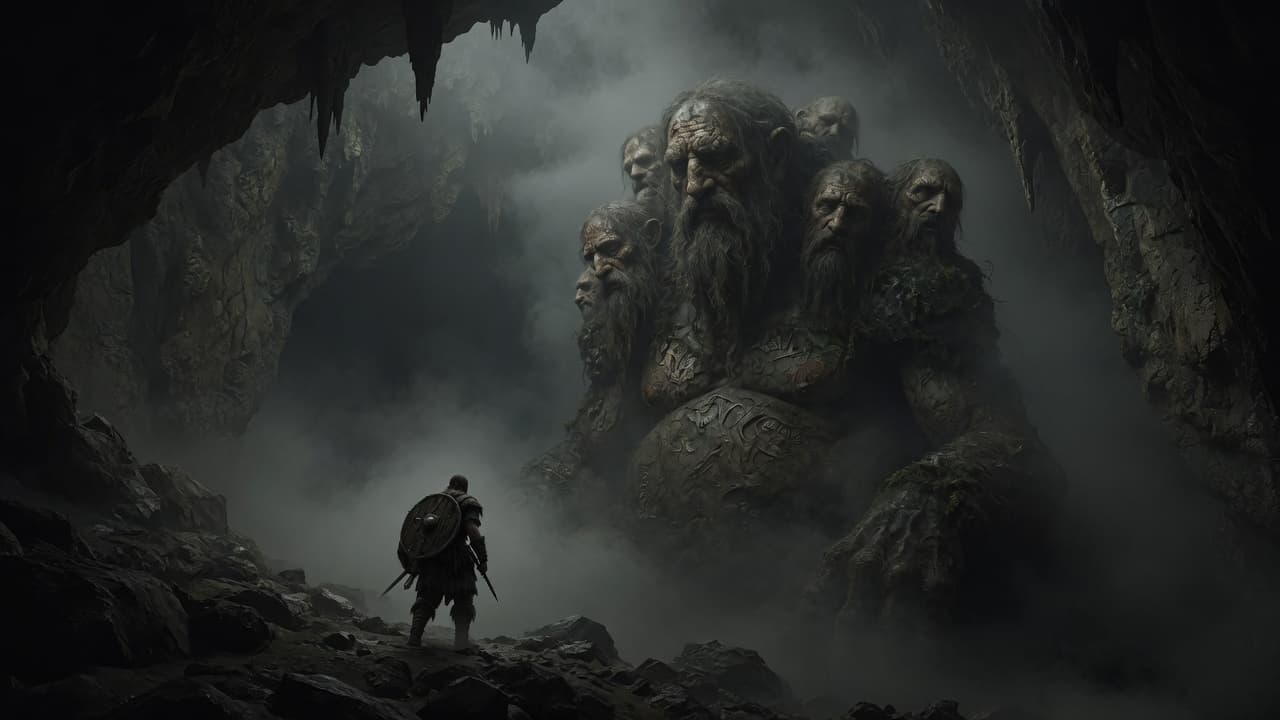
2 cultures · 3 entriesExtra arms, heads, hands or fingers. Surplus anatomy marks a being as belonging to an older, less regulated order of creation.
The gift that undoes
2 cultures · 5 entriesDevotion earns a boon; the boon is worded too cleverly and becomes the exact shape of the giant's destruction.
Balor (Celtic / Irish) · Ravana (Hindu) · Kumbhakarna (Hindu) · Hiranyakashipu (Hindu) · Mahabali (Hindu)
Ended by Christianity
2 cultures · 2 entriesThe giants do not lose a battle: they leave, die or turn to stone at the moment the new religion arrives. The tradition dates its own displacement.
Gargantua (French) · Mouros (Galician, Asturian, Portuguese)
Arrived by sea
2 cultures · 2 entriesThe giants come from the water, on rafts, in reed boats, or simply out of it. The sea supplies an origin that needs no genealogy.
Fomorians (Irish) · The Giants of Santa Elena (Manta, recorded by Spanish chroniclers)
The body nothing pierces
2 cultures · 2 entriesSkin, scale or bark that no weapon can cut, and usually a single place where it can. The invulnerability exists to make the exception matter.
Talos (Greek) · Mapinguari (Amazonian, Brazilian)
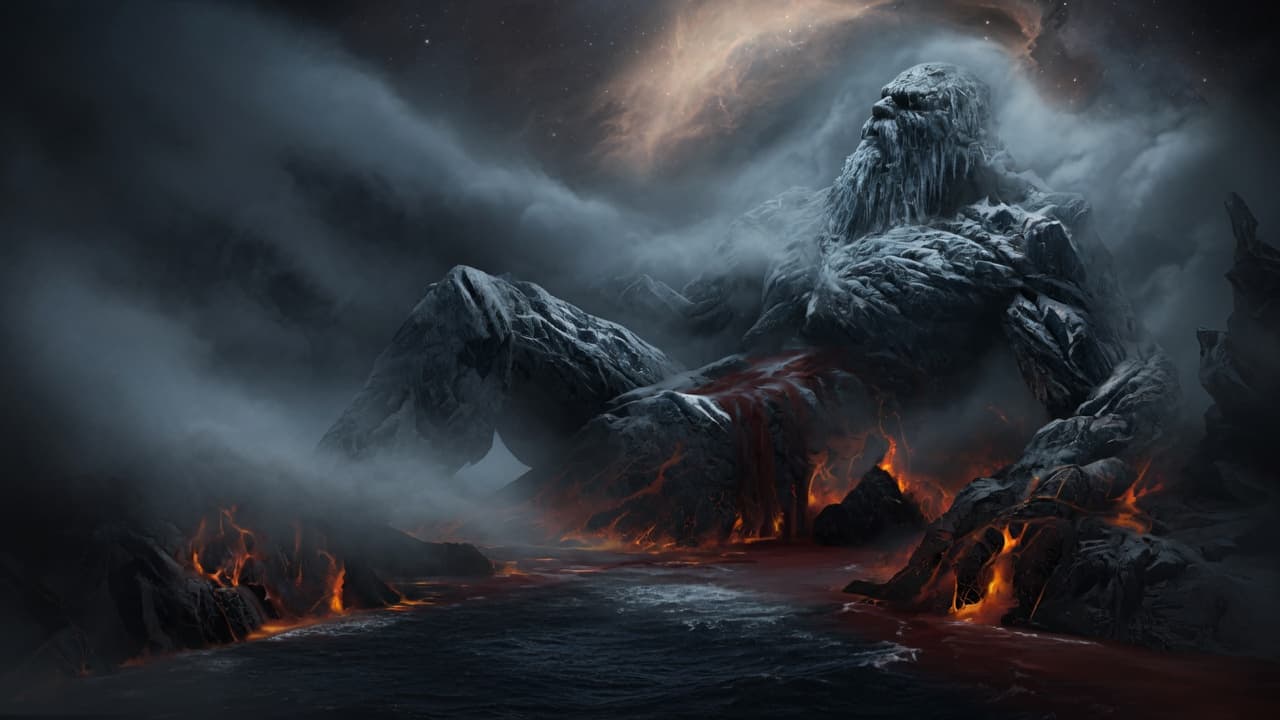
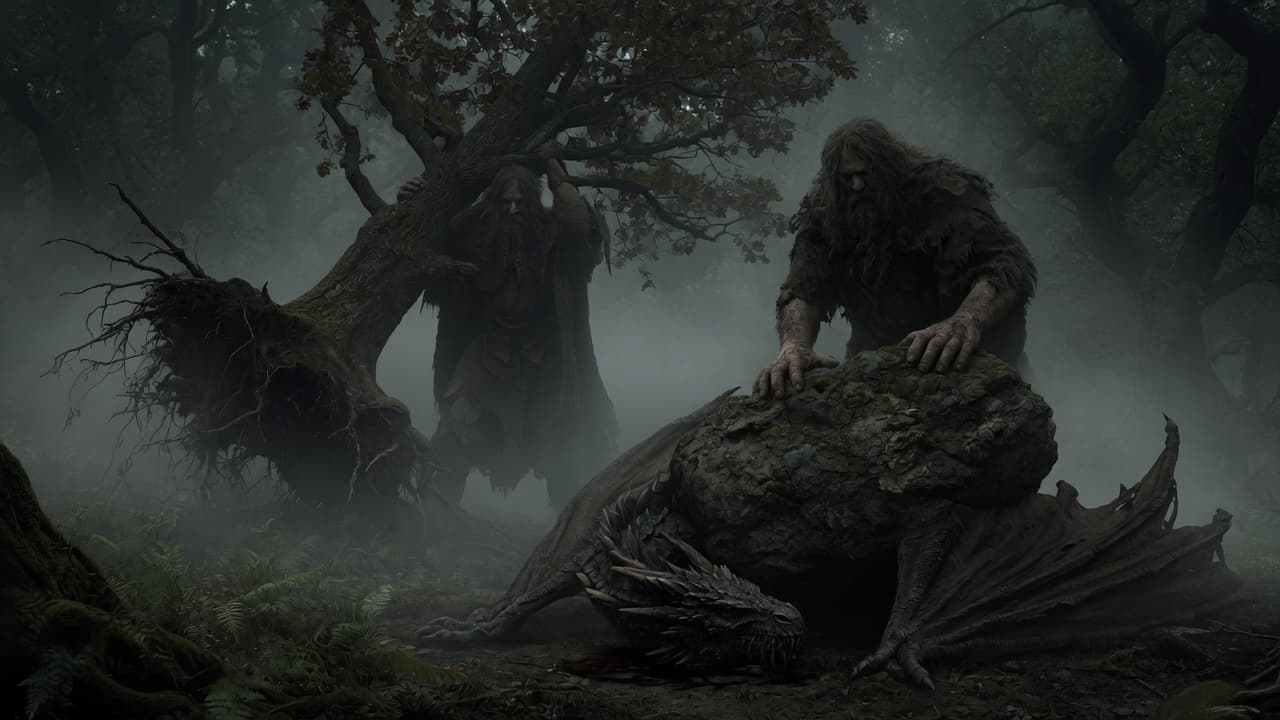
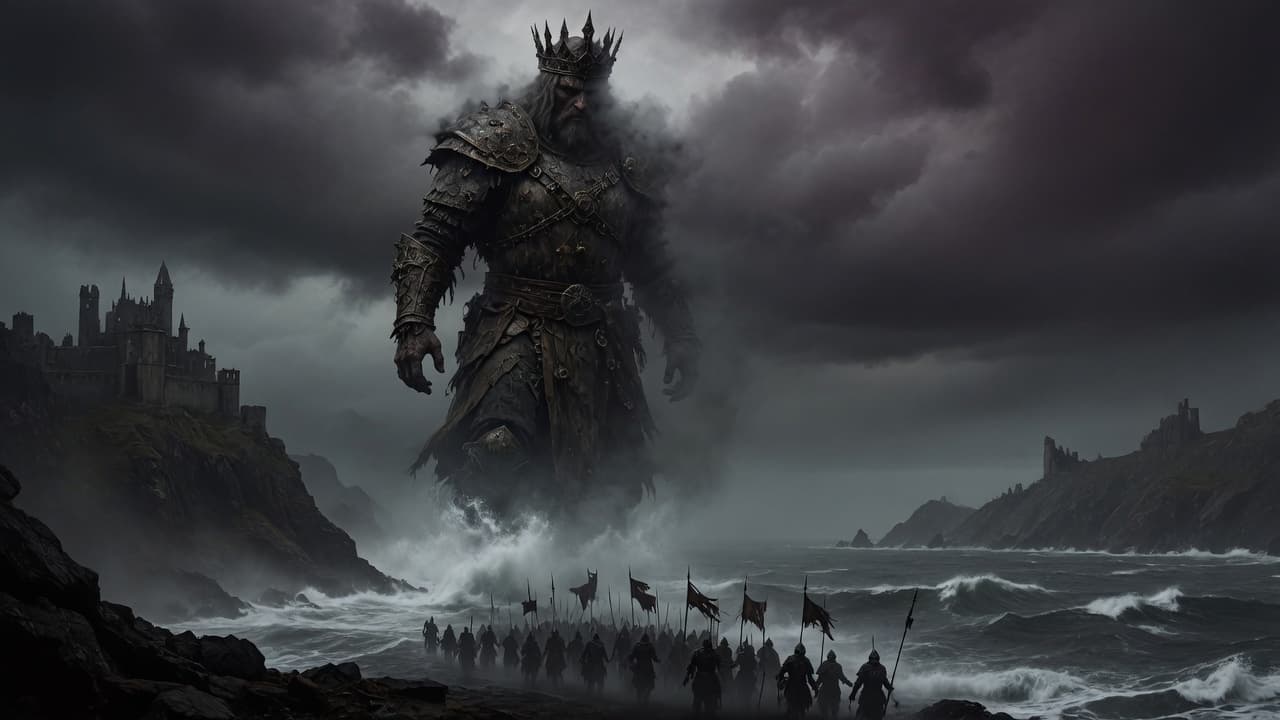
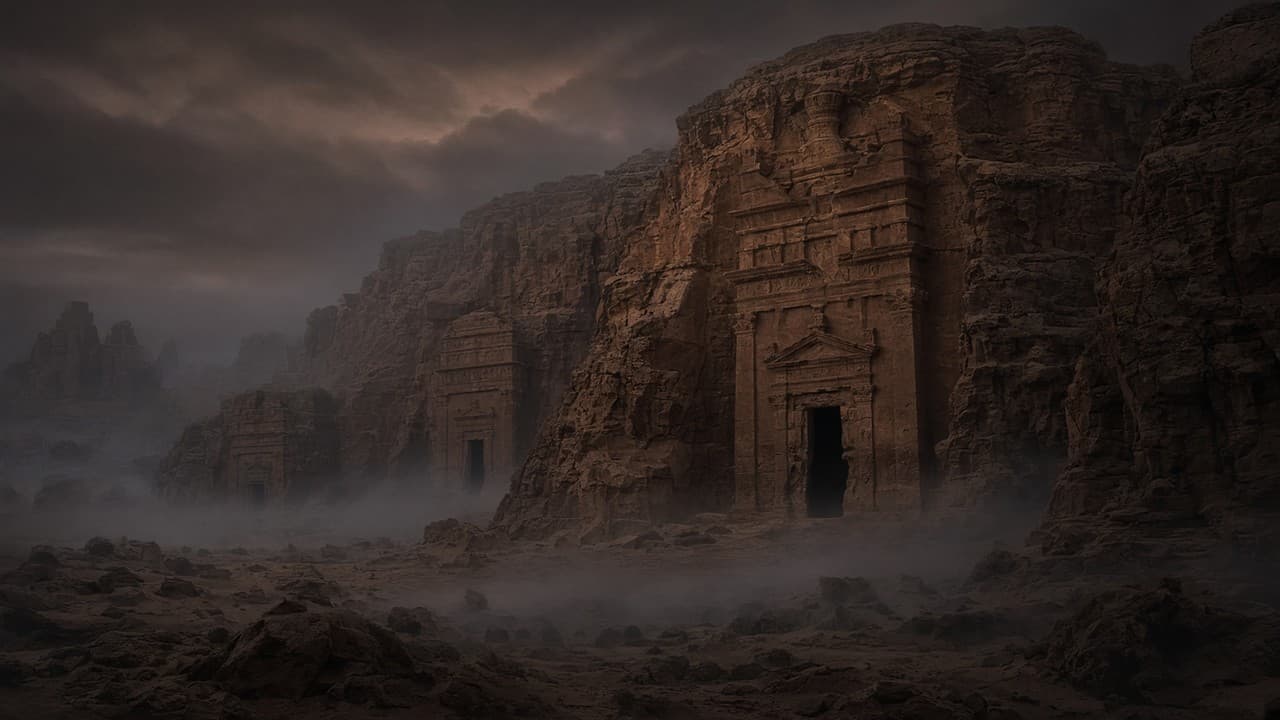
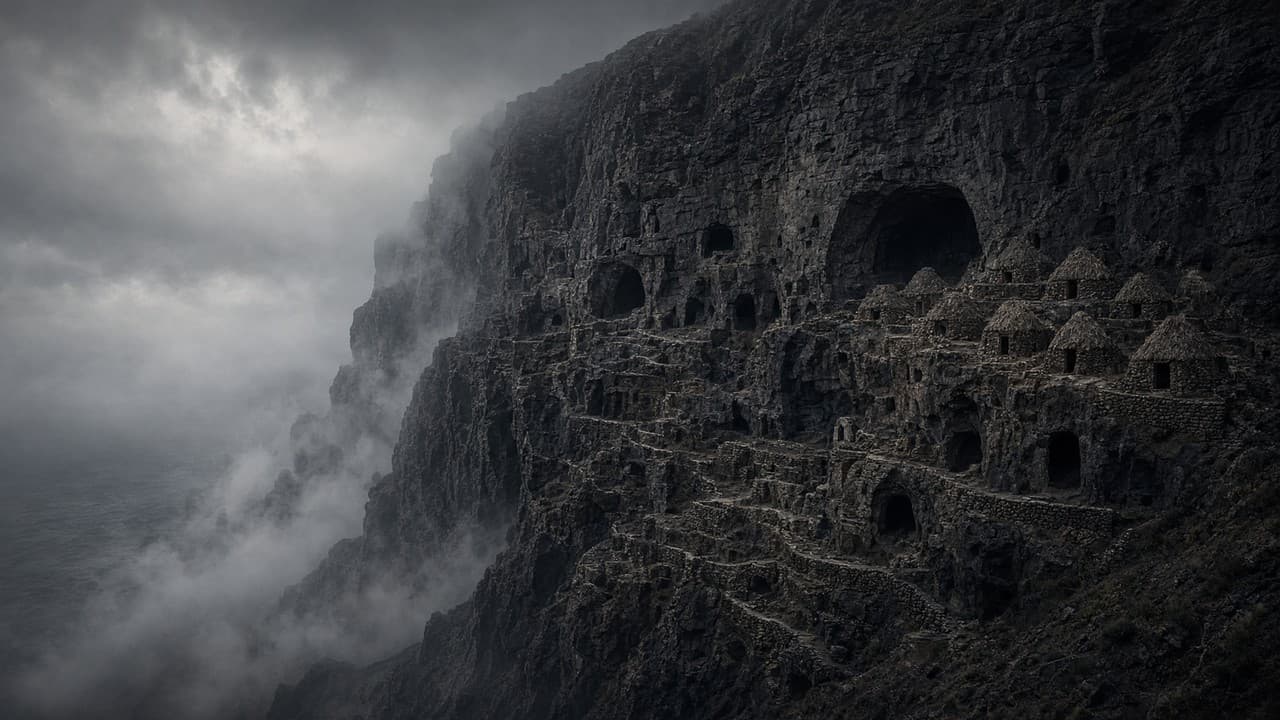
Found in one tradition so far
The first and the last
A primordial pair bound to opposite poles of the same cosmology: one marks the world's beginning, the other its end, and each is best read next to the other.
Set among the stars
The dead giant is placed in the sky as a constellation, which keeps the story visible every clear night.
Made, not born
A giant forged rather than fathered, from bronze, clay or craft. It raises the question of whether the thing is alive at all.
The devout enemy
An opponent of the gods who is also learned, generous or genuinely devoted. The tradition refuses to make him simply wicked.
Pursuing the sun
A giant who races, shoots at or swallows the sun, and generally does not survive the attempt.
Rumour of our own time
A giant reported in living memory, circulating through soldiers, forums and video. Unverified by definition, and revealing regardless.
Knowingly tall tale
Exaggeration that never asked to be believed. The audience and the teller are both in on it, which makes it a different kind of story.
The river came from a giant
A watercourse is explained as a giant's tear, blood, urine, furrow or dropped burden. The river is permanent, so the explanation has somewhere to live.
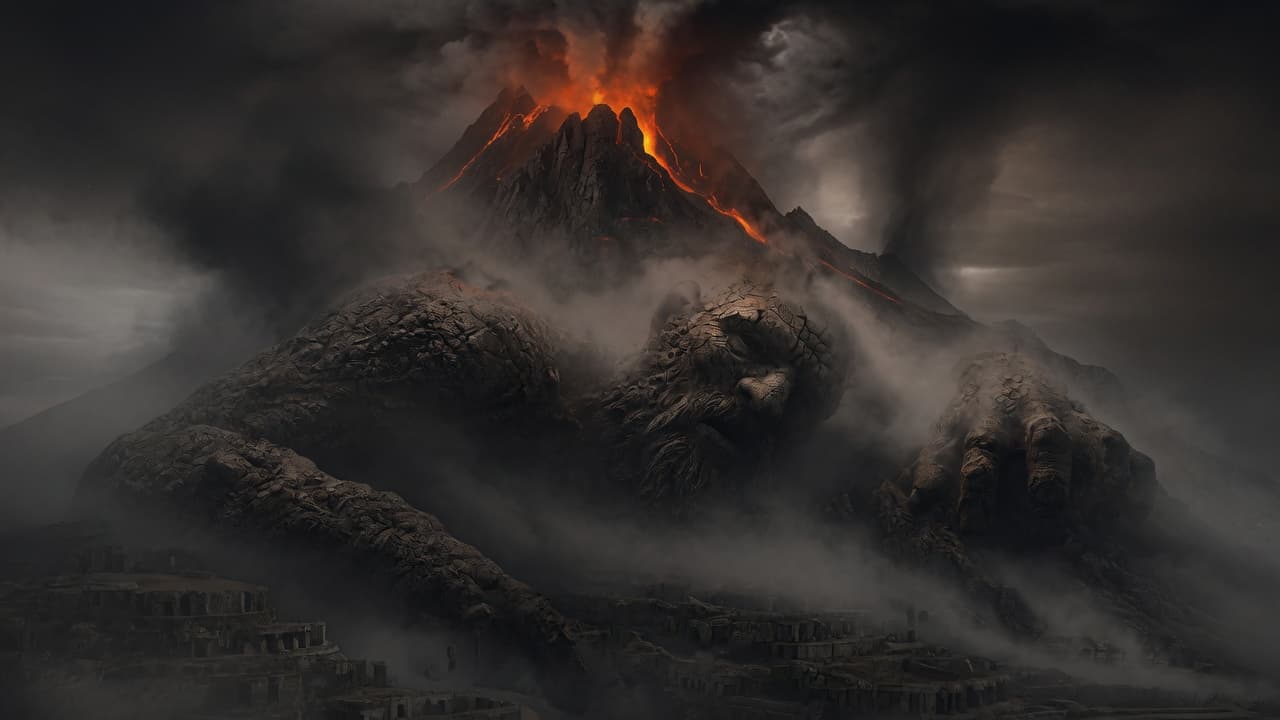
Buried under fire
A giant is pinned beneath a volcano or a lava field, and the mountain's activity is read as the body still moving.