Tombe dei Giganti
Also known as: Tomba dei giganti, Tumbas de gigantis, Tumba de zigantes, Sa domu e s'orku, Giants' graves
Basic account
Around eight hundred Nuragic collective tombs in Sardinia, named for giants by popular tradition.
Account
Around eight hundred of them across the island. They are called giants' tombs because nothing else seemed large enough to need one.
The story
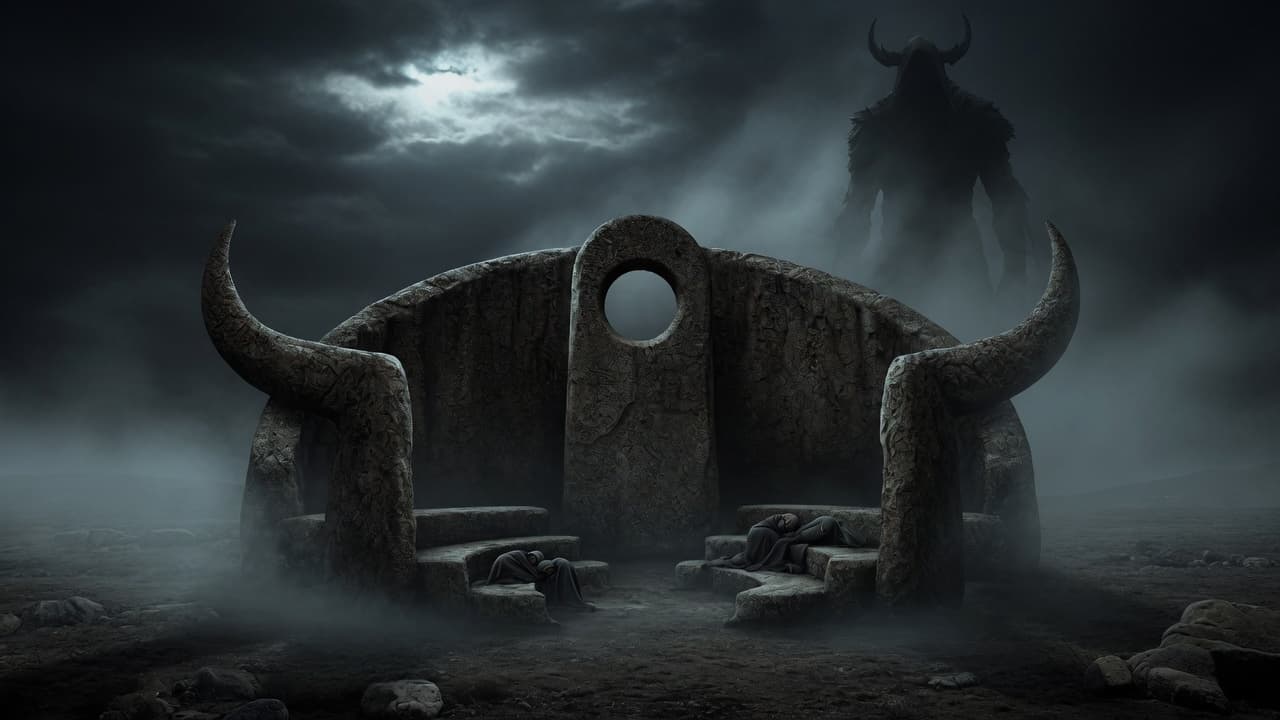
These are the monumental collective tombs of the Nuragic culture. The facade curves out in a semicircle shaped like a pair of bull's horns, built from great slabs driven upright into the ground, with a single tall stele at the centre pierced by a door too small for anyone to walk through standing.
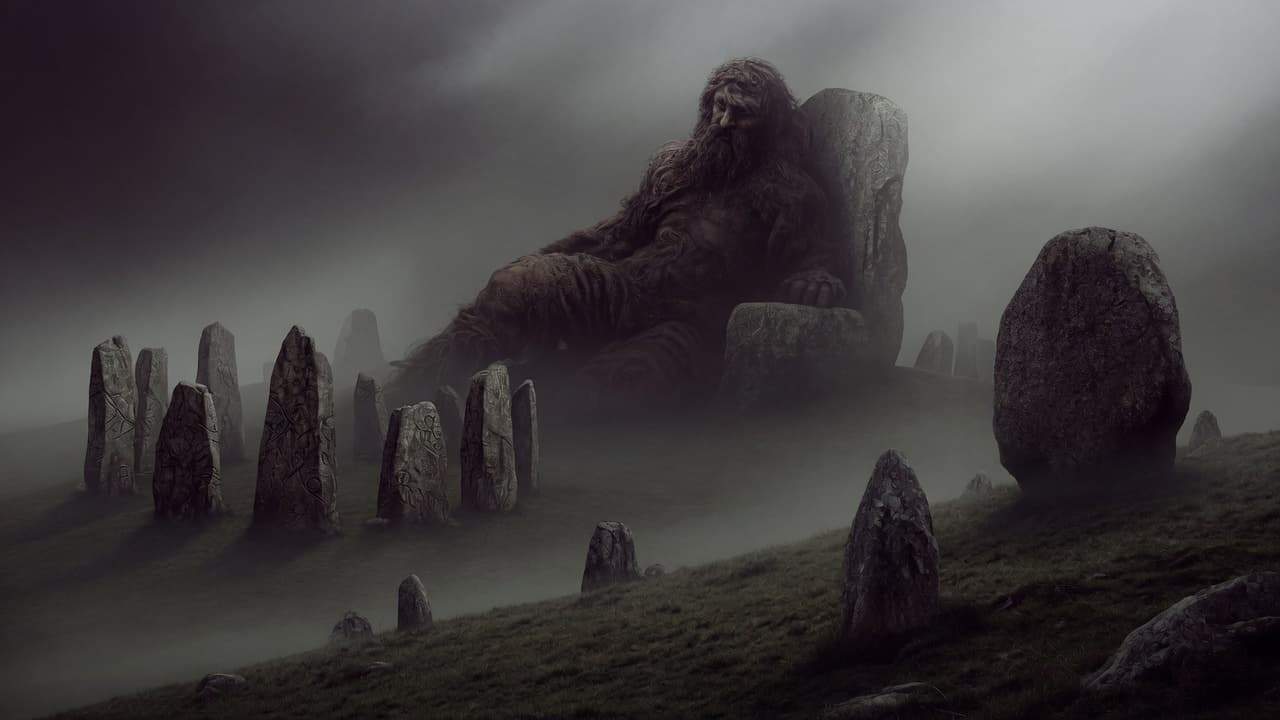
Sardinian folk speech calls them, and the nuraghi, sa domu e s'orku: the house of the ogre. The giants' name comes from the size of the stones and from reports of enormous bones found inside the chambers, at a time when there was no archaeology to say otherwise.
The detail that belongs to no one else is what people did there. Along the outside of the curved facade there are stone seats, and relatives of the dead slept on them in order to reach the dead through dreams. The practice has a name: incubation, from the Latin for sleeping upon.
Sites worth naming: Coddu Vecchiu, Li Lolghi and Capichera at Arzachena, Pascaredda at Calangianus, Mont'e s'Abe at Olbia, Imbertighe, Is Concias, Sa Domu e S'Orku at Siddi, and Su Cuaddu de Nixias at Lunamatrona, the oldest.
Where it comes from
The monuments are Nuragic and Bronze Age. The name is not. Sardinian vernacular calls them tumbas de gigantis, and the Italian tomba dei giganti follows popular usage, a term archaeologists then took over as standard.
Nineteenth century Sardinian topography carried the local accounts into print. Vittorio Angius (1797 to 1862) supplied the Sardinian material for the geographical dictionary compiled by Goffredo Casalis and published in Turin from 1833, describing the monuments and the beliefs attached to them.
Antonio Taramelli (1868 to 1939), superintendent of antiquities for Sardinia, carried out the first systematic survey and excavation of the sites in the early twentieth century.
The incubation reading has its own lineage. Aristotle, Physics IV.11, refers to those in Sardinia said to sleep beside the heroes, and Simplicius glossed the passage in his commentary. Raffaele Pettazzoni tied that testimony to the monuments in La religione primitiva in Sardegna (Piacenza, 1912), and Karoly Kerenyi returned to it in Miti e misteri (Turin, 1950).
Motifs
The giant as builder
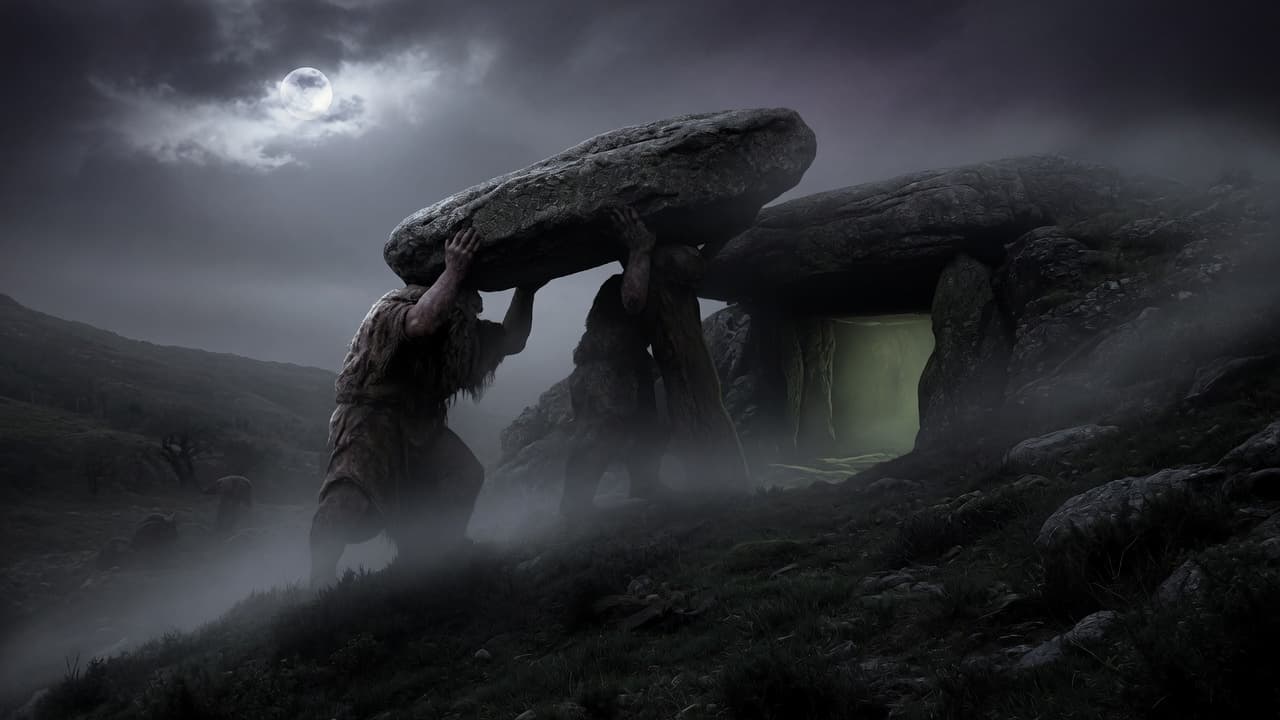
Walls, causeways, dolmens and bridges attributed to giants: usually structures whose real makers had been forgotten.
Also carried by: Budj Bim Giants (Australian Aboriginal (Gunditjmara related landscape)), Croatian Giants: The Lesser Traditions (Croatian), Dragonja (Croatian), Gargantua (French), Jentilak (Basque), Mouros (Galician, Asturian, Portuguese), Paul Bunyan (American tall-tale), Quinametzin (Mesoamerican / Aztec), Xelhua (Mesoamerican)
Attached to a real place
The tradition is anchored to a site you can still walk to: a dolmen, a cave, a hill fort, a named rock. The story travels with the ground rather than with the teller.
Also carried by: Baqbaq-Devi (Georgian), Bendigeidfran (Welsh), British Giants: The Lesser Traditions (British and Welsh), Croatian Giants: The Lesser Traditions (Croatian), Daidarabotchi (Japanese), Dragonja (Croatian), Gargantua (French), Kalev and Kalevipoeg (Estonian, Finnish, Karelian), Klek (Croatian), Koljo (Finnish), Mapinguari (Amazonian, Brazilian), Milžinai (Lithuanian), Nemri (Croatian), Suur Tõll (Estonian), The Giants of Santa Elena (Manta, recorded by Spanish chroniclers), Tröll (Icelandic)
The people who came before
Giants as an earlier race displaced by the present one. Often a way of accounting for ruins, large bones, or an older population.
Also carried by: Bestla (Norse), British Giants: The Lesser Traditions (British and Welsh), Croatian Giants: The Lesser Traditions (Croatian), Fangfeng (Chinese), Fomorians (Irish), Gogmagog (Celtic / British), Ispolini (Bulgarian), Jentilak (Basque), Kahui-Tipua (Māori), Kalev and Kalevipoeg (Estonian, Finnish, Karelian), Katallani (Albanian), Koljo (Finnish), Milžinai (Lithuanian), Mouros (Galician, Asturian, Portuguese), Nawao (Māori), Nemri (Croatian), Nephilim (Biblical / Near Eastern), Og of Bashan (Biblical / Near Eastern), Quinametzin (Mesoamerican / Aztec), Si-Te-Cah (Paiute), The Giants of Santa Elena (Manta, recorded by Spanish chroniclers), The Gigantes (Greek), The Patagonian Giants (European accounts of the Tehuelche and Selk'nam), Uriași (Romanian), Ymir (Norse)
What is disputed
The regional authorities describe the giant-burial idea plainly as popular belief, and the tombs as an architectural evolution of earlier gallery graves. That is the archaeology and it is not in serious doubt.
Separately, a belief in some unidentified form of Sardinian gigantism has spread over the last few decades, reportedly reaching some academic circles. That claim has not been substantiated here and is repeated only as a claim.
Sources
- Sardinian regional archaeological documentation
- Nuragic-period site surveys