Murkupang
Basic account
Giant figure in northern Australian story cycles of pursuit and country.
Account
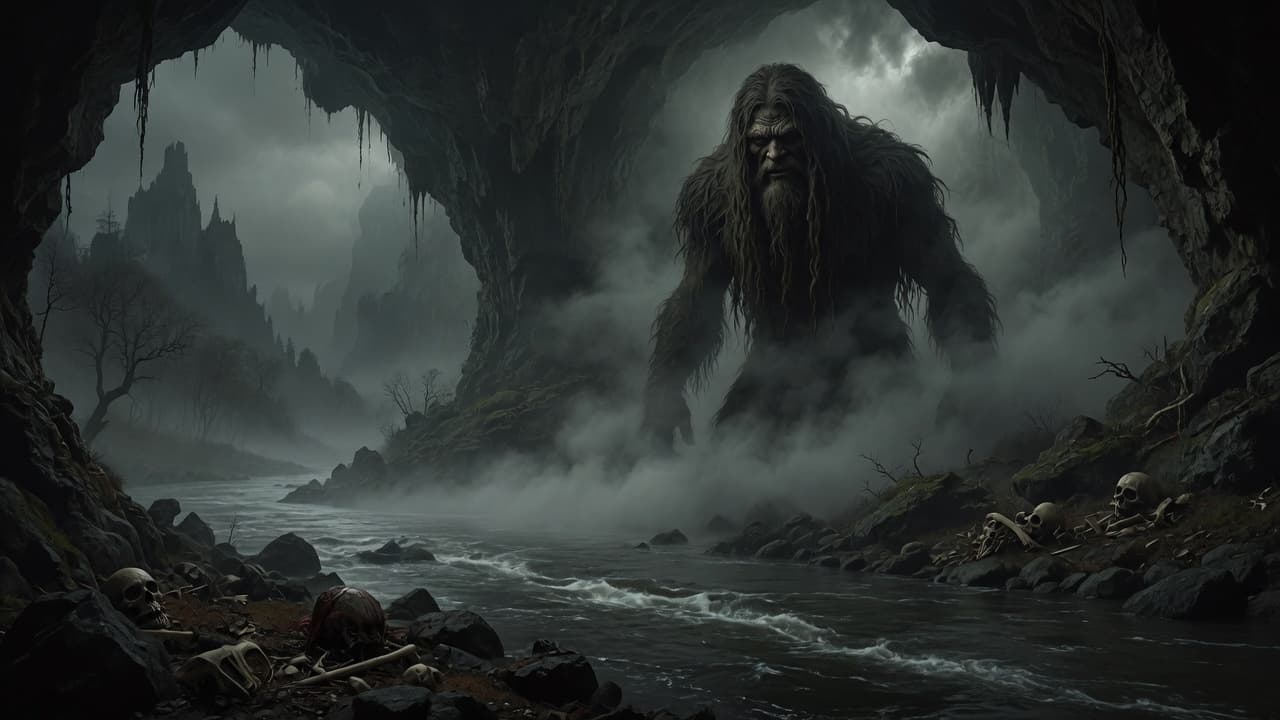
Murkupang is a cannibal giant recorded in Australian Aboriginal tradition, hunting people and taking children. The external record is thin, and this entry is correspondingly short.
The story
Accounts describe Murkupang as an enormous being who preys on people, and particularly on children: the standard shape of a cannibal-giant tradition, of which Australia has many, held by many different peoples with distinct languages and laws.
We are going to be brief, and the reason is the reason we gave for Nawao.
"Australian Aboriginal" is not one culture. It covers hundreds of distinct nations and language groups with separate traditions, and the material recorded under a single name in colonial-era or mid-century compilations has frequently been detached from the specific people it belongs to. That has happened here: the sources available to us do not reliably identify the community whose tradition this is, which means we cannot attribute it properly, and improper attribution is not a small error.
A great deal of Australian material was also recorded by people who assumed the cultures were dying, who did not seek permission, and who published knowledge that was restricted. Some of what circulates in general reference works should not be in general reference works.
What can be said: cannibal-giant figures are widespread in Aboriginal traditions across the continent; they commonly function partly as warnings to children about wandering and about specific dangerous country; and they belong to living cultures whose members are the appropriate authority.
What we will not do is compose a detailed portrait to fill the space. If you hold this tradition and we have it wrong, or should not be carrying it at all, please write to us.
Where it comes from
Australian Aboriginal oral tradition; the specific community is not reliably identified in the sources available to us, which is itself the problem this entry describes.
The name appears in twentieth-century compilations of Australian Aboriginal legend, a genre that frequently aggregated material across unrelated peoples without adequate attribution.
Community-controlled sources, language centres and Indigenous knowledge bodies are the appropriate authority for any specific tradition.
AIATSIS, the Australian Institute of Aboriginal and Torres Strait Islander Studies, maintains protocols and collections relevant to this material.
Motifs
Eater of people
The giant as appetite: it takes travellers, children or the sick. Frequently a warning attached to a specific dangerous place.
Also carried by: Amazimu (Zulu / Nguni), Cormoran (Celtic / Cornish), Dzunukwa (Kwakwaka'wakw / Northwest Coast), Giant of the Forest (Hausa / West African), Kee-Wakw (Abenaki / Wabanaki), Maero (Māori / Polynesian), Ojáncanu (Cantabrian), Oni (Japanese), Papinijuwari (Australian Aboriginal (Tiwi)), Polyphemus (Greek), Shuten Dōji (Japanese), Si-Te-Cah (Paiute), Stallo (Sámi), Tepegöz (Oghuz Turkic), Chinny-kinik (Australian Aboriginal), Thardid Jimbo (Australian Aboriginal)
The wild one of the uplands
A hairy, solitary giant of forest or mountain, hostile to herders and travellers: the shape a frontier takes in story.
Also carried by: Dzunukwa (Kwakwaka'wakw / Northwest Coast), Giant of Kunar (Modern legend), Giant of the Forest (Hausa / West African), Kee-Wakw (Abenaki / Wabanaki), Maero (Māori / Polynesian), Nawao (Māori), Ojáncanu (Cantabrian), Olentzero (Basque), Oni (Japanese), Orion (Greek), Rübezahl (German / Silesian / Czech), Shuten Dōji (Japanese), Skrymir (Norse), Stallo (Sámi), Svyatogor (Slavic), Tsul 'Kalu (Cherokee), Chinny-kinik (Australian Aboriginal), Thardid Jimbo (Australian Aboriginal)
What is disputed
Attribution is the central problem. Without knowing which people's tradition this is, nothing further can responsibly be said about context, meaning or restriction.
Popular compilations of "Aboriginal legends" published through the twentieth century are unreliable as sources. They routinely merged distinct traditions, removed cultural context, and were often published without consent.
Whether this material should appear in a general catalogue at all is a fair question. We have kept a short entry rather than deleting it silently, because the gap and the reason for it are worth showing, but we would remove or correct it on request from the relevant community. Requests can be sent to hello@giantscodex.com.
Sources
- Australian Aboriginal oral tradition (community not reliably identified in available sources)
- 20th-c. compilations of Australian Aboriginal legend: unreliable, see disputed
- AIATSIS protocols for Indigenous knowledge
Mark for My Journey
Private marks. They are not a collection score.
Marks stay on this device for this session. Sign in to keep your marks.
Related giants
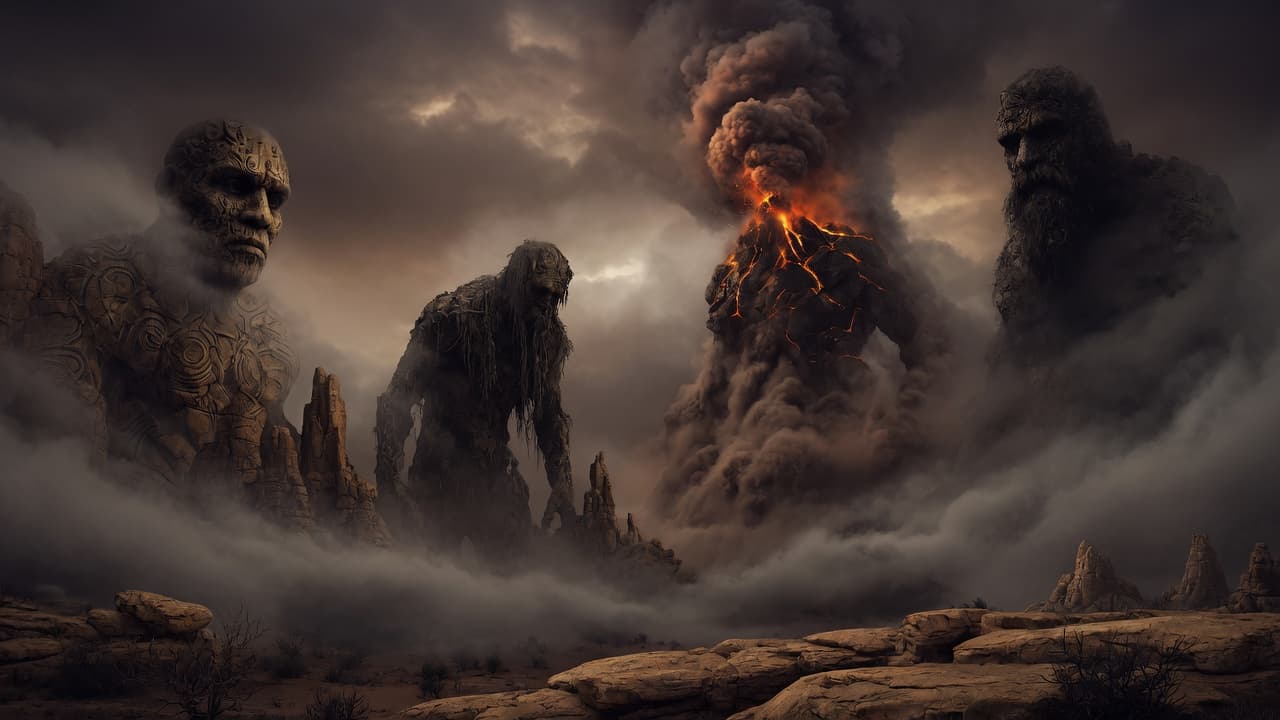 Budj Bim GiantsAustralian Aboriginal (Gunditjmara related landscape) · Ancestral beings of giant scale in the volcanic landscape of Budj Bim.
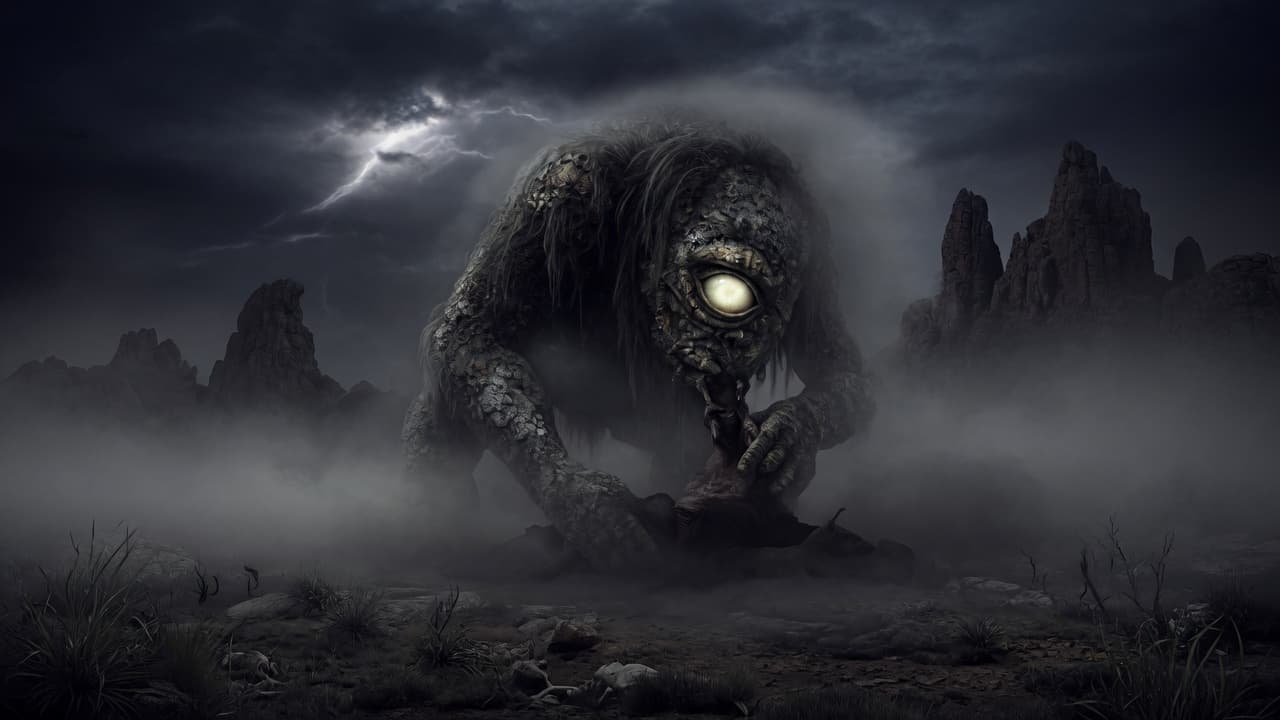 PapinijuwariAustralian Aboriginal (Tiwi) · One-eyed giant spirits of Tiwi tradition who hunt with clubs and bags.
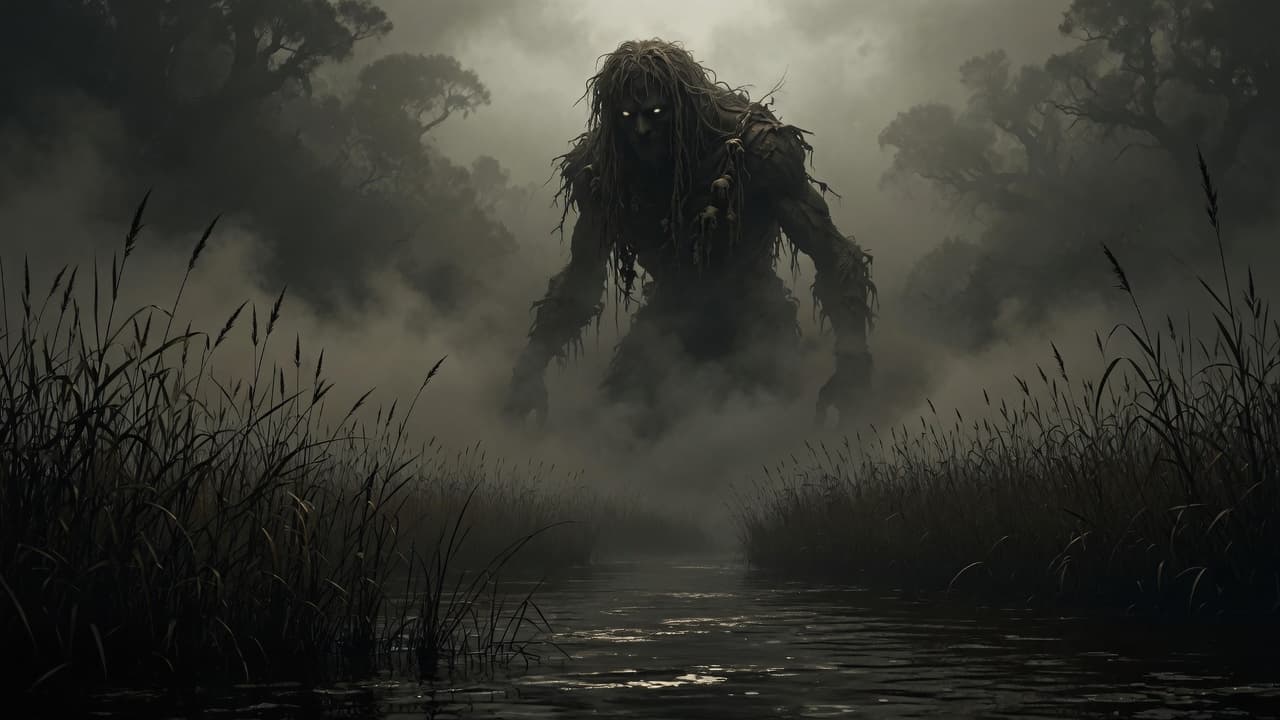 Thardid JimboAustralian Aboriginal · Cannibal giant of southeastern Aboriginal tales: a terror of the camp edge.